The global media loves a good victim story. Lately, the Philippines has been the designated protagonist in a tragic play about burnout. A handful of "global indices" dropped, ranking Manila near the bottom for work-life balance, and the internet did exactly what it always does: it commiserated.
The consensus is lazy. The narrative says that Filipinos are overworked, underpaid, and trapped in a hellscape of traffic and Zoom calls. The solution offered by HR consultants and lifestyle bloggers? "Boundaries." They tell you to log off at 5:00 PM, take your leaves, and demand a "balance" that doesn't actually exist in a developing economy competing on a global stage.
They are lying to you.
The very concept of "work-life balance" is a Western luxury export that is fundamentally incompatible with the economic reality of the Philippines. Worse, chasing it is the fastest way to stay stagnant. If you want to survive—and actually thrive—in the Philippine market, you have to stop trying to balance two opposing forces and start integrating them.
The Myth of the Fifty-Fifty Split
The term "balance" implies a zero-sum game. It suggests that every hour spent working is an hour stolen from "life." This creates a psychological friction that makes work feel like a prison sentence.
When international reports rank the Philippines poorly, they are measuring us against Nordic standards. It’s easy to have "balance" in Oslo when your infrastructure was built fifty years ago and your population is stable. In the Philippines, we are in a high-growth, high-chaos environment. We are the back office of the world.
I have seen companies try to implement "strict log-off" policies in Makati and BGC. Do you know what happens? The work doesn't disappear. It just piles up, creating a massive "debt" of stress that hits the employee tenfold on Monday morning. The "balance" they achieved on Saturday was just a high-interest loan they couldn't afford to pay back.
Why the Commute is an Asset (If You Aren't Lazy)
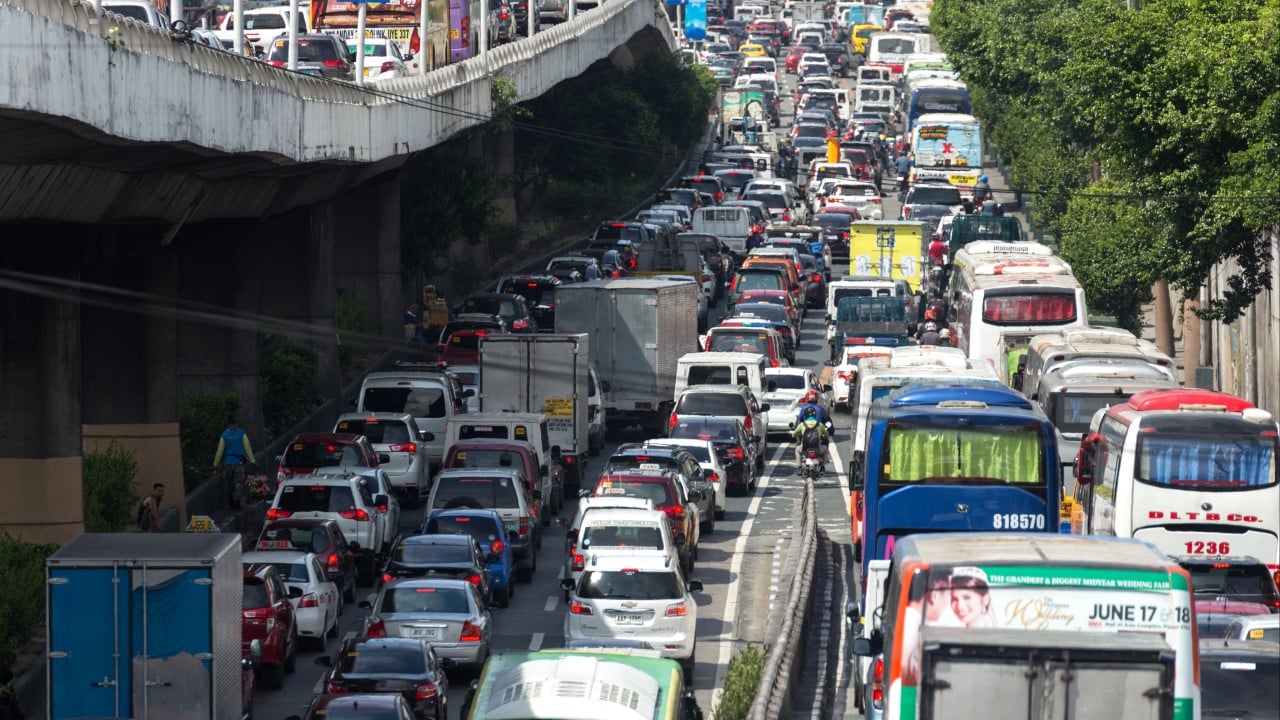
Everyone complains about the EDSA crawl. It is the go-to excuse for why our quality of life is "low."
Stop viewing the commute as lost time. If you are sitting in a van for two hours and doing nothing but scrolling through TikTok, you aren't a victim of urban planning; you are a victim of your own lack of discipline.
The most successful people I know in Manila treats their commute as a deep-work or deep-learning chamber. They are clearing their inbox, listening to industry-specific technical podcasts, or mapping out their quarter.
The "commute-to-work" divide is a physical manifestation of the mental divide between "work" and "life." If you integrate them, the commute becomes your office. The car is the boardroom. The moment you stop seeing travel as a barrier to life, the stress of the traffic evaporates because you are already "living" and "working" simultaneously.
The Cultural Edge: Why Collectivism Beats Individualism
The Western model of work-life balance is intensely individualistic. It’s about "my time" and "my space."
The Philippines has a secret weapon that these indices fail to measure: Pakikipagkapwa-tao.
In a Western office, your coworkers are just people you endure until 5:00 PM. In a Philippine office, the social integration is so deep that the "work" environment often provides the "life" satisfaction. We eat together. We know each other’s families. We operate in a high-trust, high-affinity social structure.
When you try to force a Western "professional distance" to achieve "balance," you destroy the very thing that makes the Philippine workplace bearable. You lose the support system. You lose the joy.
Instead of fighting the integration of social life and work, lean into it. The most resilient teams in this country aren't the ones with the best "benefits packages"—they are the ones where the line between "colleague" and "community" is completely blurred.
The Competitiveness Trap
Let’s be brutally honest: The Philippines is competing with Vietnam, India, and Latin America.
If our workforce decides to prioritize "balance" over output, the capital will simply move elsewhere. This isn't a threat; it's a macroeconomic certainty.
The "unhappy" worker described in the competitor's article is usually the one who is trying to live a 2026 lifestyle on a 1990s productivity level. You cannot demand the work-life balance of a Swiss clockmaker while working in a service-based economy that relies on 24/7 uptime.
The path to true freedom isn't working fewer hours. It’s increasing your Value Per Hour.
- Standard Approach: Work 8 hours, complain for 4, try to "relax" for 2.
- The Integration Approach: Spend 12 hours in a state of flow where your personal growth, social connections, and professional output are indistinguishable.
Stop Asking the Wrong Questions
People often ask: "How can I get my company to respect my time?"
That is a loser's question. It assumes you are a passive participant in your own life.
The real question is: "How do I build a skill set so rare and valuable that I dictate the terms of my integration?"
When you are indispensable, you don't ask for "work-life balance." You work from where you want, when you want, because the output is all that matters. The people complaining about the rankings are almost always the ones at the bottom of the value chain. They are the ones whose time is being bought because their talent isn't unique enough to be "leased."
The High Cost of the "Burnout" Label
We have pathologized hard work. Every time someone feels tired, they label it "burnout" and blame the "toxic" culture of the Philippines.
True burnout is real, but it is rare. Most of what we see today is Boredom disguised as Burnout.
If you hate what you do, forty hours a week will feel like a death sentence. If you are engaged, sixty hours feels like a sprint. The "low score" the Philippines received isn't a reflection of hours worked; it's a reflection of the lack of alignment between the worker and the work.
We don't need more "wellness Wednesdays." We need better career alignment. We need people to stop taking jobs they hate just because the office is in a prestigious building, and start looking for roles where the work itself is the reward.
Building the Integration Framework
If you want to opt-out of the "poor work-life balance" statistics, you need a different operating system.
- Kill the "Switch": Stop trying to "turn off" work mode. It creates a psychological shock every time you have to "turn it back on." Stay in a low-intensity, always-on state of awareness.
- Monetize your Life, Humanize your Work: Bring your personal interests into your professional projects. If you love tech, become the tech lead. If you love people, move to account management. When your hobbies and your KPIs overlap, "balance" becomes a moot point.
- Aggressive Asynchronicity: Use the Philippines' timezone "disadvantage" as a filter. If you work with global clients, your "life" happens while the rest of the country is asleep. Instead of fighting the graveyard shift, use it to bypass the traffic, the noise, and the administrative friction of the 9-to-5 world.
The Harsh Reality of the Rankings
These indices are designed to sell HR software and consulting services. They are not designed to help you. They want you to feel miserable so you’ll buy a subscription to a meditation app or attend a "mindfulness" seminar.
The Philippines doesn't have a work-life balance problem. It has an Integration Gap.
We are a nation of hustlers, OFWs, and resilient entrepreneurs. Our strength has never been in "balancing" things; it has been in surviving and thriving amidst the chaos. To try and force us into a rigid, European-style 35-hour work week is to strip away our competitive advantage.
Stop looking at the rankings. Stop waiting for the government to fix the trains. Stop waiting for your boss to "value your time."
Accept that in a high-growth economy, work and life are the same thing. Once you embrace the chaos, the "imbalance" stops being a burden and starts being a leverage point.
Get back to work. Or get back to living. If you’re doing it right, you won't be able to tell the difference.