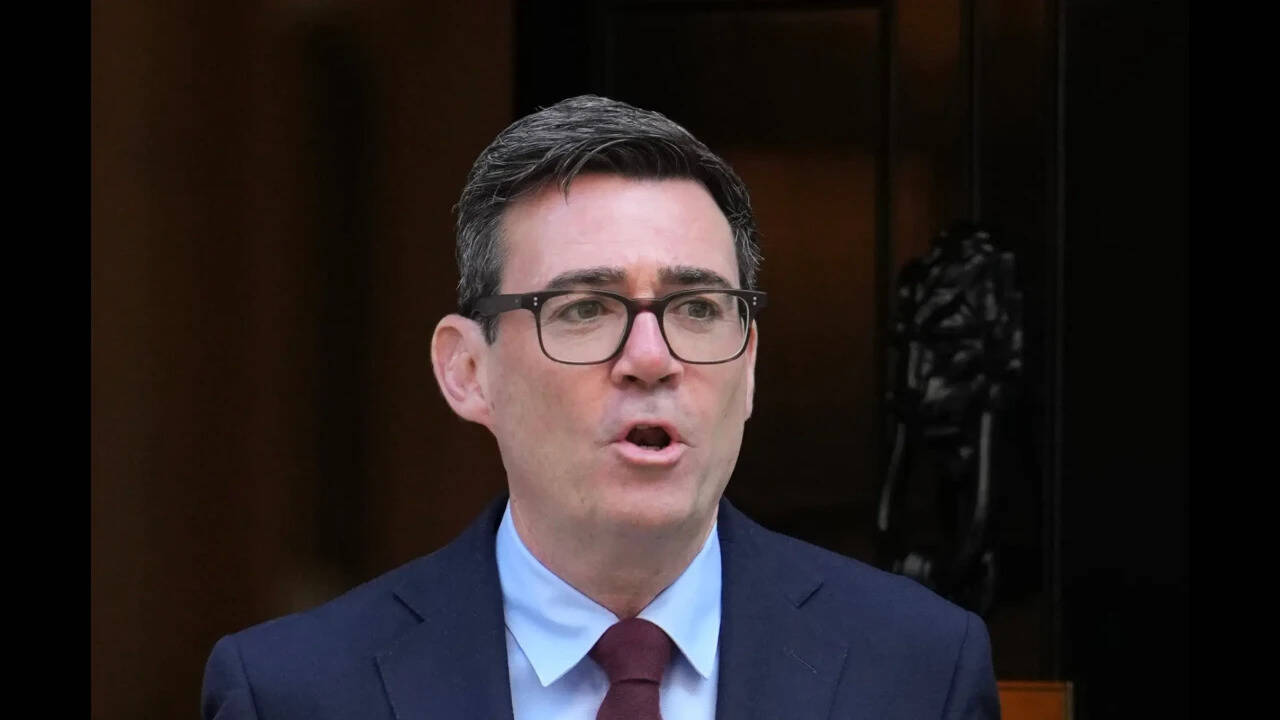
Political stability functions as a scarce currency in contemporary Westminster mechanics. When executive transitions occur mid-cycle, the immediate market and electoral rationalization demands calculating the longevity of the incumbent administration. Prime Minister Andy Burnham’s explicit dismissal of early general election speculation establishes a rigid boundary for the current legislative horizon, projecting stability through to the statutory limit in 2029. Evaluating this decision requires stripping away conventional political commentary to examine the structural incentives, risk profiles, and opportunity costs governing the modern executive timeline.
The primary driver against early electoral engagement is the preservation of capital. In political systems, capital is measured not merely in polling leads, but in legislative bandwidth and administrative execution capacity. Triggering an unscheduled contest introduces severe friction into state machinery. It halts long-term structural reforms—such as multi-year infrastructure pipelines and public service reorganizations—in favor of short-term electoral campaigning. For an administration that assumed office via an internal leadership transition rather than a fresh public mandate, the immediate priority rests on establishing operational competence rather than seeking validation at the ballot box.
Electoral math further compounds this calculus. A rational incumbent evaluates risk through the lens of asymmetric exposure. While a mid-term surge in poll numbers offers a tempting window for mandate consolidation, it carries a compounding downside risk: the fragmentation of the parliamentary majority and the potential elevation of flanking insurgent parties. The contemporary British electoral map features a multi-front vulnerability. Defending seats requires resource allocation across divergent geographic and demographic clusters, balancing urban centers against rural constituencies and managing competition from both right-wing populist movements and resurgent opposition blocs. Rushing into an avoidable contest multiplies these tactical vectors without guaranteeing a durable majority.
Instead of pursuing volatile electoral mandates, executive strategy pivots toward micro-delivery and institutional rebuilding. The focus shifts to tangible operational outcomes—regional transport integration, health service restructuring, and fiscal stabilization—aimed at altering structural baseline conditions rather than chasing transient sentiment. By locking down the electoral timeline to the 2029 statutory limit, Downing Street removes speculation as a variable from economic planning, allowing markets and municipal authorities to operate with a predictable medium-term horizon.
The strategic imperative for the administration is clear. Rather than expending political capital on an early electoral gamble, the executive must prioritize systemic institutional output, fortify its flanks against multi-party competition, and treat the full parliamentary term as a mandatory runway for structural economic transformation.
This video provides direct coverage and political analysis surrounding Andy Burnham's public dismissal of early general election speculation.