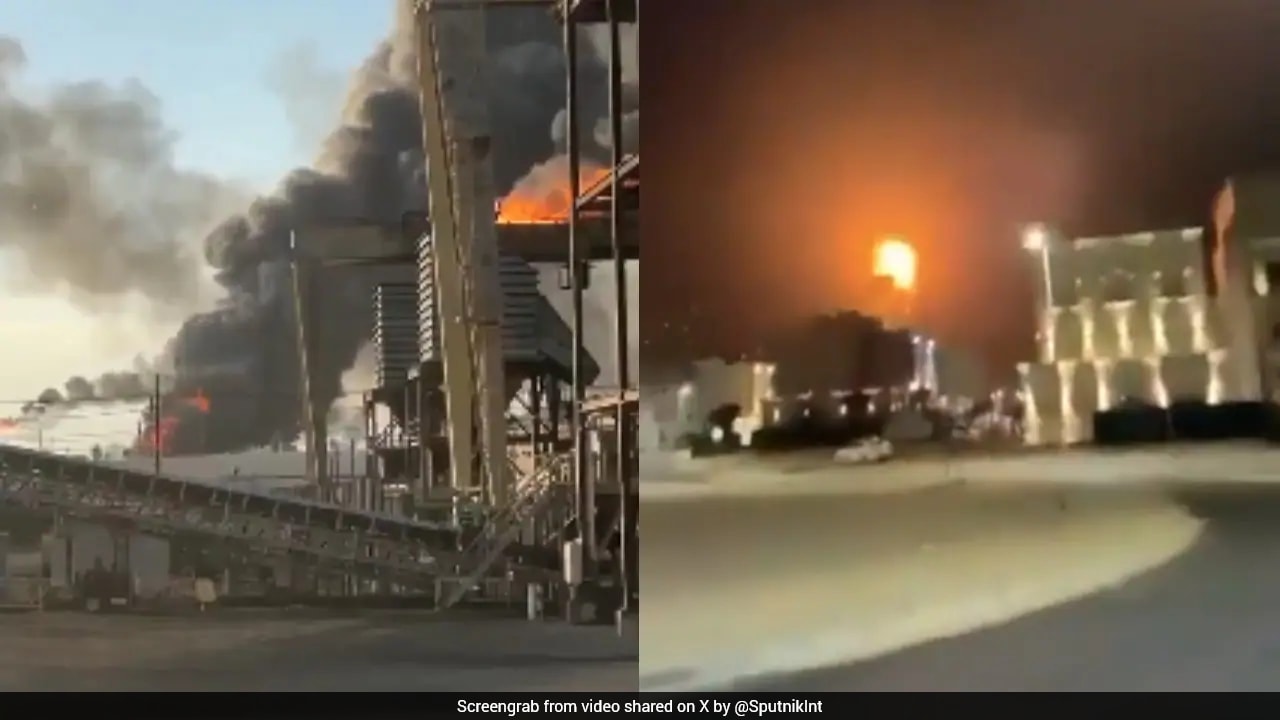
At least 73 civilians suffered injuries when a wave of coordinated ballistic missile and drone strikes hit southern Saudi Arabia. This escalation shattered a fragile relative calm that had held since April 2022.
The strikes targeted civilian populations and vital economic infrastructure across four southern cities: Abha, Khamis Mushait, Jazan, and Najran. Women and children were among the wounded, marking a brutal turn in a conflict that many hoped was moving toward a political settlement.
The Targets and the Damage
Energy installations took a direct hit. The Saudi Energy Ministry confirmed that multiple fires broke out at critical facilities, forcing a temporary halt to operations at several sites. Specialized response teams rushed to contain the blazes and secure the perimeters, but the operational disruption sent immediate shockwaves through global energy markets.
Oil prices climbed to multi-week highs within hours of the strikes. Markets hate uncertainty. When critical processing infrastructure in the world's leading petroleum exporter faces sustained assault, global supply chains instantly reprice the risk.
Yahya Saree, the military spokesperson for Yemen's Houthi movement, quickly claimed responsibility. He framed the operation as a broad push deep into Saudi territory using advanced drones and ballistic systems.
The Coalition Response
Maj. Gen. Turki al-Maliki, spokesperson for the Saudi-led coalition, didn't mince words. He labeled the operation a senseless and dangerous escalation that blatantly violates national sovereignty.
The coalition vowed to deploy all necessary operational measures to neutralize the threat sources. Ground and air components of the alliance are positioning themselves for a robust counter-campaign. Meanwhile, the internationally recognized Yemeni government reported parallel battlefield advances across Al-Jawf, Al-Bayda, Taiz, and Al-Hudaydah.
What This Means for Regional Stability
This violent flare-up threatens to undo years of delicate diplomatic groundwork. For months, back-channel talks between Riyadh and Sanaa aimed to cement a permanent truce. Instead, the return of cross-border drone strikes proves how fragile peace remains in the Arabian Peninsula.
Commercial shipping through the Red Sea and surrounding waterways faces renewed peril. Insurance premiums for cargo vessels traversing the region are bound to spike, compounding logistical bottlenecks that have plagued international trade for months.
Monitor official updates from energy authorities and regional shipping advisories if you have commercial interests tied to Gulf infrastructure. Expect heightened security postures across Saudi airspace and continued military engagements along the border zones in the coming days.