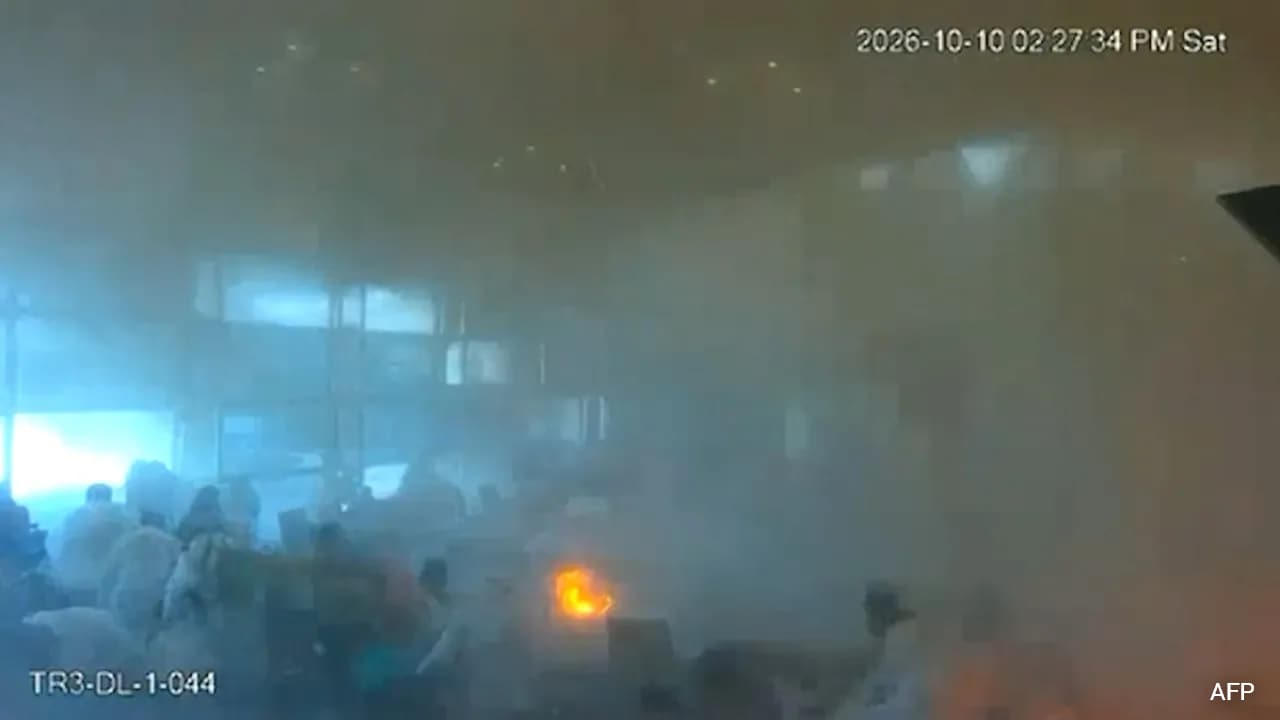
The coffee in the terminal kiosk is still hot, but nobody is drinking it.
On the departure boards, the glowing white letters mapping out flights to European hubs flicker, stutter, and vanish. In their place, a single, unyielding reality takes over the displays. A red pulse of delay. A collective intake of breath from three thousand people who suddenly realize that the metal tubes suspended thirty thousand feet in the air are not entirely invulnerable.
Down on the tarmac at Nuremberg Airport, the wind sweeps across the open concrete with a cold, northern bite. But out there, the silence is heavier than the weather. It is the silence of an emergency declared mid-flight, a phrase that sounds clinical and calm in an air traffic control logbook, but translates to absolute, pounding terror for anyone strapped into a window seat looking out at an engine trailing smoke.
Consider what happens in the cockpit during those twenty seconds. The warning lights begin to bleed amber and crimson across the instrument panel. The pilot's hands instinctively find the checklists memorized through thousands of hours in a simulator, yet today, the ink on the paper is real. The smell of hot electronics or burning hydraulic fluid hangs thick in the air. Down below, the world keeps spinning, oblivious to the small crisis unfolding in the stratosphere. But for the souls inside the cabin, time fractures. Every second stretches into an eternity defined by the hum of failing turbines and the grim calculation of glide paths, descent speeds, and runway lengths.
We take the miracle of flight for granted until it stutters. We walk through security checkpoints with tired eyes, complaining about long lines and overpriced bottles of water, entirely divorced from the immense, invisible architecture of safety that keeps us aloft. Thousands of commercial aircraft crisscross the European skies every single day like invisible clockwork. Air traffic controllers in dark, quiet rooms track blips on screens, speaking in a rapid, rhythmic shorthand that separates orderly transit from catastrophe.
When a mid-air emergency is declared—whether it is a sudden loss of cabin pressure, a severe mechanical failure, or a medical crisis requiring an immediate drop in altitude—that fragile clockwork must instantly reconfigure itself.
Nuremberg Airport did not merely close its gates; it braced itself.
The emergency services scattered across the airfield did not wait for formal introductions. Fire trucks with sirens muted to avoid adding to the chaos rolled into position alongside the damp grass flanking the main runway. Paramedics checked straps, oxygen tanks, and trauma kits with hands that had done it a hundred times before, yet moved with a razor-sharp urgency born of the unknown. In the control tower, eyes locked onto a single descending vector, clearing the skies above Bavaria to create a sacred lane of empty air. Everything else—every delayed vacation, every missed business meeting, every frustrated passenger tapping their foot at the boarding gate—simply ceased to matter. The entire ecosystem of modern aviation shrank down to one burning question: Can they get them back down on the ground in one piece?
Fear is contagious, but so is discipline. Inside the terminal, rumors spread faster than official announcements. Someone saw an alert on a smartphone. Someone else heard a snippet of radio chatter through a crackling headset. Anxiety pooled in the center of the concourse, shifting shapes from confusion to dread. Yet, humanity has a strange way of banding together when the machinery of daily life breaks down. Strangers shared phone chargers. Parents pulled their children closer, whispering quiet reassurances that masked their own racing pulses. We are all passengers, ultimately, waiting for permission to land.
The modern world is obsessed with speed, efficiency, and seamless transitions. We demand that our journeys be invisible, that distance be erased by jet fuel and aluminum wings. We forget that underneath the polished corporate veneer of the airline industry lies a deeply human endeavor. It is operated by tired mechanics working night shifts in freezing hangars, by pilots who kiss their families goodbye before stepping into the gray pre-dawn, and by controllers who carry the weight of hundreds of lives on their shoulders with every shift change.
When the emergency aircraft finally pierced the cloud cover over Nuremberg, its landing gear locked into place with a mechanical thud that echoed through the skeletal metal framework of the terminal. The touchdown was firm, heavy, trailing a faint plume of friction smoke before the thrust reversers screamed into the damp air, slowing the massive machine down to a manageable crawl.
Inside the cabin, the applause did not start immediately. First came the ragged, collective exhale. Then, the tears. Then, the clumsy unbuckling of seatbelts and the rustle of overhead bins opening as people scrambled to reclaim their coats, their bags, and their ordinary lives.
Out on the apron, the flashing red lights of the emergency vehicles slowly dimmed, one by one, returning to a steady amber pulse. The runway lights remained bright, cutting through the encroaching dusk, waiting for the sky to heal itself and for the invisible machinery of the skies to resume its steady, quiet hum.
The board above the main entrance of the terminal refreshed. The red alerts flickered and turned back to white. People began to line up again, shuffling forward with their boarding passes in hand, eager to step back onto a plane and fly away into the dark. But none of them walked quite the same way they had before the silence fell.