Paper makes a sound. Listen closely inside a county clerk’s office on a Tuesday morning and you hear the flat, dry thwack of a rubber date stamp, the whisper of manila folders sliding across linoleum, and the low hum of fluorescent tubes buzzing above rows of metal cabinets. It sounds ordinary. It sounds harmless. To most people walking past a courthouse door, a piece of paper bearing a seal and a signature carries the weight of gravity itself—the quiet assurance that the law has spoken, settled a dispute, or closed a chapter.
Now imagine the ink is wet from an office printer in a strip mall down the road.
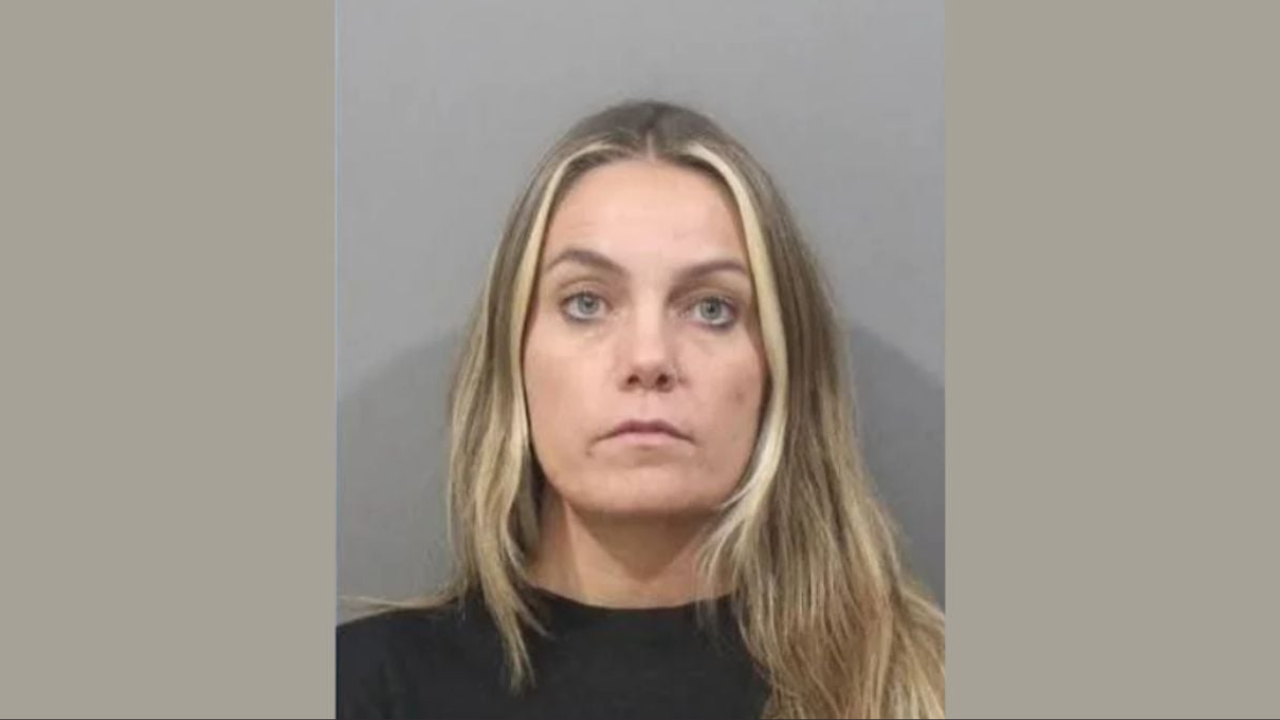
Forty-two felonies. That is the ledger facing an Indiana legal secretary accused of fabricating court orders and diverting client fees—a headline that reads like a dry docket entry until you stop to ask what happens inside a life when the paperwork you trust turns out to be ghost ink.
I have spent years sitting in waiting rooms where people hold folders thicker than phone books. You see it in the knuckles whitening around a strap. You see it in the way a person checks their watch every four minutes, convinced that every minute outside a courtroom is a minute their future is quietly bleeding out. When someone goes to a lawyer, they are rarely buying prose or procedure; they are buying relief from chaos. They are handing over money they scraped together from overtime shifts, savings accounts, or family loans, and in return they expect a shield made of rule and order.
Let me be candid with you: cases like this make my stomach turn, not because fraud is new—human greed is older than parchment—but because of where the knife goes in. A legal secretary sits at the threshold. She answers the phone when a client’s voice shakes. She types the names of children, of injured backs, of disputed estates, of folks trying to keep a roof over their heads. When trust breaks at that exact seam, the damage isn’t just financial. It is disorienting. You start wondering which rules are real and which ones were typed up between coffee refills.
To trace how a quiet desk can become the center of a forty-two-count indictment, it helps to step back from the headline and look at the mechanics of everyday trust. (The following account of a client’s experience is a hypothetical scenario built to illustrate how alleged schemes of this kind ripple through ordinary lives, while the core allegations—forty-two felony counts involving fabricated court orders and misappropriated client fees in Indiana—reflect the public case posture.)
When the Seal Is Only Pixels
Consider a hypothetical client we will call David, a warehouse supervisor in central Indiana trying to finalize a family matter without losing another week of wages. He brings in cash or a check for filing fees and retainers. Across the counter sits a capable, friendly legal secretary who knows how to sound brisk and certain. She takes the payment. She promises things are moving. Weeks later, there is a document—clean margins, formal phrasing, the look of authority—indicating a court action or resolution.
David breathes out. For the first time in months, he sleeps without waking at three in the morning doing mental math.
Now think of that document as a counterfeit key cut from soft brass. On the first try, it slides into the lock. It even turns a little. Only later, when the door refuses to open or when someone checks the tumblers, do you discover the teeth were filed to match a memory rather than the real mechanism.
In real court systems, authentic orders follow trails that leave footprints across dockets, clerks' logs, and official filings. A fabricated order skips the real machinery while mimicking its costume. Meanwhile, client fees meant for court costs, filings, or trust accounts can be skimmed, redirected, or absorbed into a quiet private ledger if oversight is lax and clients assume silence means progress.
One word comes to mind when people picture white-collar or office-based fraud.
Sterile.
People imagine spreadsheets, cold eyes, and boardrooms with glass walls. They rarely picture a cluttered desk with sticky notes, a half-empty mug, and someone juggling ten files at once while clients call asking, “Did the judge sign it yet?” Fraud in small or busy legal offices often hides inside routine. A missed reconciliation here. A client who doesn’t know how to read a docket number there. A sense of familiarity that makes everyone stop checking locks.
Why does that happen so easily? Because legal language is built like a walled garden. Most citizens are not trained to spot formatting quirks, missing clerk attestations, or discrepancies between what a secretary says happened and what a public docket actually records. When a layperson sees official-looking text, deference kicks in. We want to believe the system works. Hope is a terrible auditor.
The Architecture of a Quiet Leak
There is an old pattern in small-scale financial diversion, one criminologists and auditors have observed for generations: opportunity meets pressure and rationalization. You do not need a grand criminal mastermind to rack up dozens of felony charges. Sometimes you only need repetition. Each separate act—each forged document, each diverted payment, each false assurance—can become its own count when prosecutors tally the record. Forty-two felonies sounds cinematic, almost theatrical, yet on paper it often represents a chain of smaller choices repeated over time until the weight becomes impossible to ignore.
Let’s use a metaphor to see how a single leak turns into a flood. Imagine a small hairline crack in the foundation of a basement wall. On day one, after a light rain, you see a damp dark patch the size of a dinner plate. You wipe it with a rag and go watch television. A month later, after a heavier storm, water beads along the mortar. Still manageable. A year later, hydrostatic pressure pushes through every time the sky darkens, and the drywall at the bottom has turned to mush.
Money and records behave the same way when controls are loose.
If a legal secretary handles intake, billing, and client communication with minimal independent verification, a gap opens between the money that enters the door and the work officially recorded outside it. A client hands over a fee. Perhaps it never reaches the proper account, or perhaps it is used to plug another hole while a reassuring update—or a bogus order—buys more time.
Time is the currency of cover-ups. If a client believes a court order has already been entered, they stop calling every other day. They wait. Waiting gives the person behind the desk breathing room.
Yet breathing room has an expiration date. Sooner or later, reality knocks. A real hearing doesn’t happen. A third party asks for certified proof. An opposing side or a clerk’s office notices something that doesn’t align. Or an internal review begins and the numbers refuse to square. Once the first thread pulls loose, forty-two counts don’t look like a sudden explosion; they look like a long, slow unraveling finally caught in the light.
I won’t pretend every case is simple or that every accusation tells the whole story before a courtroom tests the evidence. Allegations are allegations—serious, specific, and heavy, yet still subject to proof beyond a reasonable doubt under the law. What troubles me just as much as the alleged misconduct is the collateral fallout for people who had nothing to do with any scheme.
Think about the ripples.
- Clients who paid in good faith now wonder whether their legal matters were genuinely advanced or stalled behind phantom paperwork.
- Honest staff members in the same orbit suddenly face suspicion they never earned.
- Neighbors and community members who trusted a local office feel that familiar sour taste of betrayal.
Why Paper Feels Real Until It Doesn't
There is a reason a fake court order stings more than a bounced check. A bounced check is about money; a fake court order is about authority.
When a person believes a judge or a court has acted, they adjust their life around it. They tell their boss they have an update. They tell their spouse they can finally exhale. They plan around a date or a decision that exists only on a sheet of paper produced outside official channels. To find out later that the order was never real is to have the rug pulled out from under your sense of time.
Have you ever opened an envelope expecting good news—a tax refund, an approval letter, a settled bill—and read the words twice because your brain refuses to translate what your eyes see? That pause, that brief suspension of disbelief, is where the emotional shock lives. Now multiply that pause by months of waiting and hundreds or thousands of dollars you couldn't afford to lose.
Let’s be honest about something else: the legal system itself can feel opaque even on its best days. Forms look intimidating. Procedures move at a crawl that feels cruel when your livelihood or family stability is on the line. Because ordinary people aren't expected to memorize court rules, they lean on the people standing on the other side of the desk. That leaning is rational. You hire professionals because you shouldn't have to become a procedural expert just to get through a difficult week.
Still, blind trust is an invitation to risk. You don’t need to treat every clerk or legal assistant like a suspect to ask basic, grounded questions. You can ask how a filing is verified. You can ask for official docket numbers or stamped copies confirmed through public records where available. You can keep receipts for every dollar handed over and ask clear questions about how retainers and filing fees are held and accounted for.
None of that makes you cynical. It makes you awake.
The Weight Behind Forty-Two Counts
Prosecutors count charges one by one, brick by brick, until the indictment reads like a wall. Forty-two felonies in a case involving alleged fake court orders and stolen client fees signals a scale of alleged conduct that goes far beyond a single impulsive mistake. Each count points to a moment where a line was crossed—or allegedly crossed—between service and deception.
When we read stories like this, our minds tend to jump to extremes. Either we turn the accused into a cartoon villain or we shrug and say, "Well, that’s just how people are." Both reactions let us off the hook from actually understanding what went wrong.
A real human story is messier than a caricature. Behind a legal desk sits a person making choices in real time—answering phones, typing drafts, handling cash or checks, managing secrets, telling stories to keep plates spinning. When deception becomes a habit, every lie requires another prop. A missing receipt requires an excuse. A stalled matter requires a fabricated document to make it look finished. Pretty soon, the person isn't just fooling clients; they are living inside a paper house built over a trapdoor.
And what happens to the people outside that house? They pay the price of someone else's shortcuts.
There is a quiet dignity in how ordinary people try to do things the right way. They show up on time. They pay what they’re asked to pay. They trust the institutions their communities run on. When someone exploits that dignity—especially inside a system meant to resolve conflict fairly—it leaves a bruise on public confidence that takes years to fade.
Even now, as the legal process moves forward around these forty-two felony allegations, the central lesson isn’t hidden inside legal jargon. It sits right on top of the desk: authority is only as strong as the truth behind the seal, and trust without verification is a gamble someone else might be taking with your life.
Picture that county clerk’s office one more time—the fluorescent hum, the rubber stamp hitting thick paper, the quiet aisle where real filings wait in folders. A genuine court order carries a signature and a record that belongs to the public trust. A fake one carries only the ink used to print it.
And the moment the paper dries, the truth always finds the light.