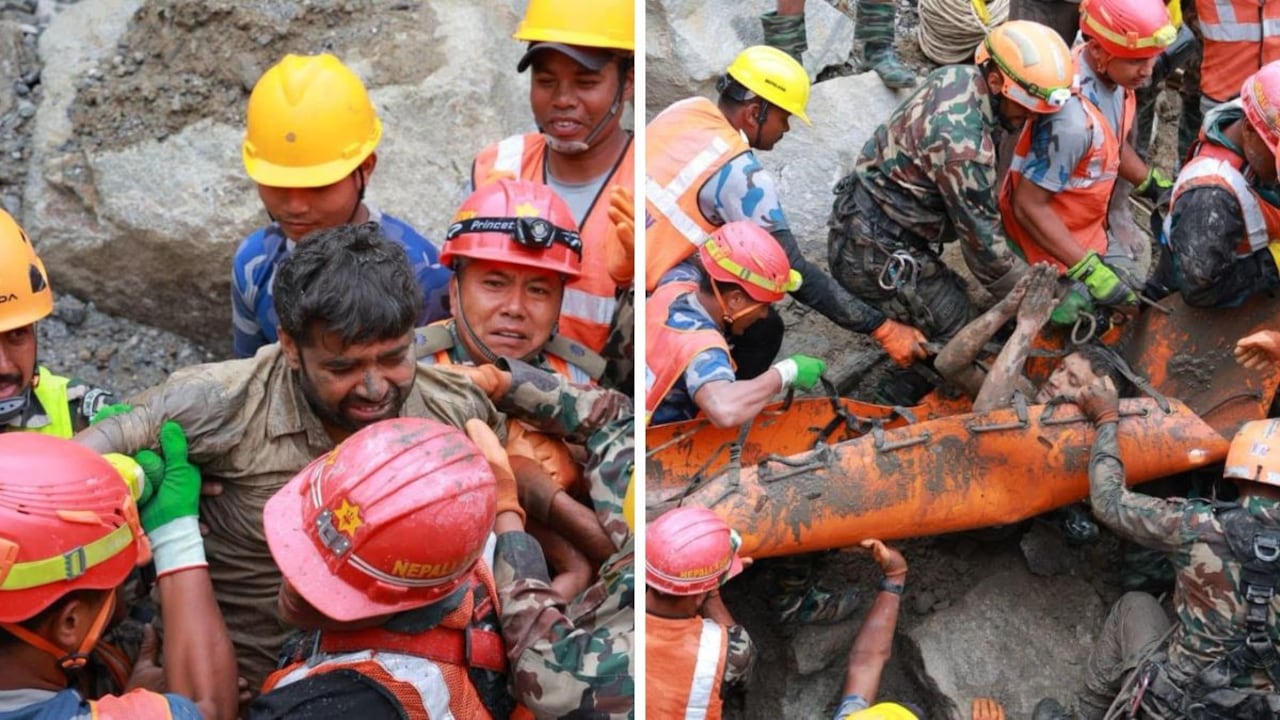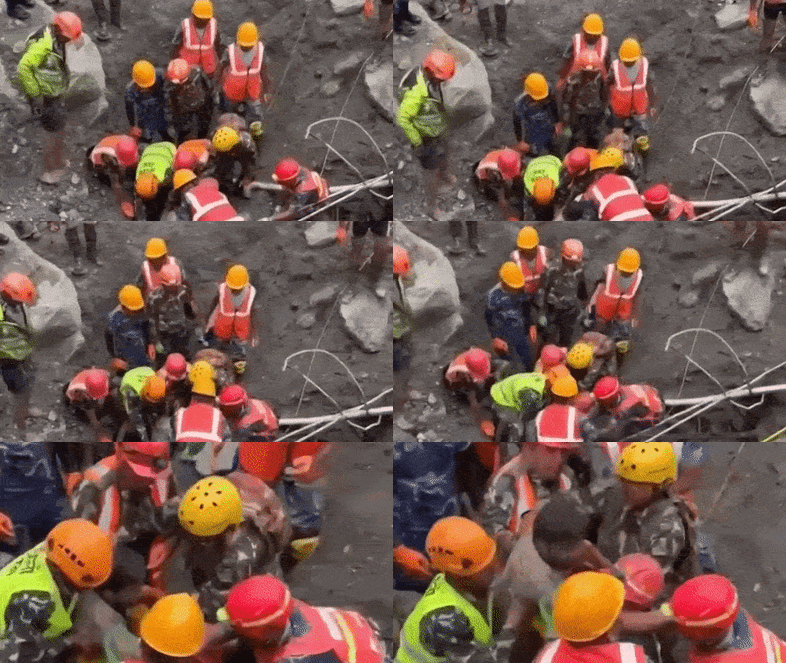
Every time a headline blares about tourists plucked from a cliffside or construction crews hauled out of a collapsed subterranean shaft, the public reaches for the popcorn. We treat high-altitude extraction and tunnel extractions like real-life blockbusters. Two Australians surface from a remote Himalayan pass; trapped laborers claw their way out of a compromised bore. The media frames these events as masterclasses in human resilience and heroic logistics.
It is all a dangerous illusion.
Beneath the glowing ticker tape of survival lies an industry-wide pathology of institutional neglect, poor risk calculation, and a cultural addiction to crisis management over prevention. I have spent two decades watching multi-million dollar infrastructure projects and high-risk expedition outfits operate on a wing, a prayer, and an assumed safety net provided by underfunded public rescue teams. We do not have a robust emergency response system; we have an insurance policy for systemic incompetence.
Let us dismantle the lazy consensus surrounding these modern rescue narratives.
The Heroism Industrial Complex
When a rescue goes right, everyone wants a piece of the spotlight. Government officials praise the swift coordination. Local authorities trumpet their preparedness. The survivors offer tearful soundbites about faith and brotherhood.
What nobody mentions is the bill.
Every successful extraction from a preventable disaster validates a broken model. It teaches project managers and thrill-seeking travelers that consequences are negotiable. If you cut corners on structural reinforcement, hire unqualified local labor without proper geotechnical profiling, or ignore basic weather alerts in the Annapurna range, the state cavalry will likely show up anyway.
Think about the sheer resource expenditure required to pull two hikers off a remote mountain or drill through tons of unstable rock to reach trapped workers. Helicopters burn thousands of dollars an hour. Specialized alpine teams risk their own physical safety. Local emergency services divert finite budgets away from community health and preventative infrastructure just to bail out individuals who ignored flashing warning signs.
We romanticize the rescue because confronting the negligence that caused the disaster is uncomfortable. It requires firing project leads, overhauling regulatory frameworks, and holding commercial operators legally accountable for putting profit margins over human safety margins.
The Myth of Unforeseen Circumstances
Ask any PR representative for a construction conglomerate or trekking agency why an incident occurred, and you will hear a familiar script. They call it an act of God. They point to sudden geological shifts, unseasonal blizzards, or freak accidents that defied all forecasting models.
This is fiction.
Geotechnical anomalies in tunnel construction are rarely surprises; they are almost always known risks that executives chose to under-budget for. Soil composition analysis is expensive. Core sampling takes time. Halting a boring machine to reassess stability eats into quarterly deliverables. So, leadership rolls the dice, banking on the statistical likelihood that the earth will hold just long enough.
The same applies to high-altitude tourism. The mountains do not suddenly turn hostile without warning. The barometer drops, the season shifts, and the trail conditions deteriorate according to patterns documented for centuries. When tourists push past turning-around points because they paid five figures for a guided expedition, they are not victims of bad luck. They are participants in a calculated gamble where the house absorbs the downside risk.
When we accept "unforeseen circumstances" as a valid defense, we infantilize adults and excuse corporate malfeasance. True professionals do not rely on luck. They build redundancy into every operational layer.
The Economics of Recklessness
Why do companies continue to cut corners when human lives hang in the balance? Because the financial incentives are entirely skewed toward the gamble.
Let us look at the math. A construction firm can save a half-million dollars by skipping secondary shoring reinforcement in a questionable tunnel segment. If the tunnel holds, that money goes straight to the bottom line. If the tunnel collapses, the company faces fines, temporary PR damage, and perhaps a mandated safety audit. Rarely do executives see personal criminal liability. The cost of failure is externalized onto the taxpayers, the rescue workers, and the families of the affected workers.
In the adventure tourism sector, the dynamic is identical. Low-budget operators undercut reputable guides by eliminating mandatory acclimatization days, skimping on satellite communication gear, and hiring local porters without proper insurance or cold-weather gear. They capture market share from ethical operators who price their services based on genuine risk mitigation.
When a crisis hits these discount operators, the international media swoops in, turning the victims into global sympathy icons. The spotlight shifts entirely to the drama of the extraction, completely sanitizing the economic choices that led to the precipice in the first place.
Rewriting the Playbook on Risk
If we want to stop celebrating avoidable disasters, we have to change how we measure success. A great rescue operation is not proof of a great system; it is proof that the system failed three steps ago.
Here is what accountability actually looks like in practice.
First, mandatory cost-recovery for preventable negligence. If an expedition company leads clients past explicit weather warnings into restricted zones, that company should foot the entire commercial bill for the helicopter deployment and rescue personnel. If a construction firm ignores geotechnical reports and causes a collapse, executive compensation packages should be clawed back to pay for the rescue and worker restitution.
Second, stop platforming the heroes of extraction and start spotlighting the inspectors of prevention. The engineer who shuts down a job site because the rock face looks unstable deserves the front-page spread. The guide who turns back three miles short of the summit because the weather window closed should be the industry standard-bearer, not the outlier who pushes through and needs a winch line to get home.
We do not need more dramatic rescue documentaries. We need fewer disasters that require them.
Stop cheering for the extraction. Start demanding competence before the shovel hits the dirt or the boots hit the trail.
.png?width=1200&auto=webp&trim=0%2C0%2C0%2C0)