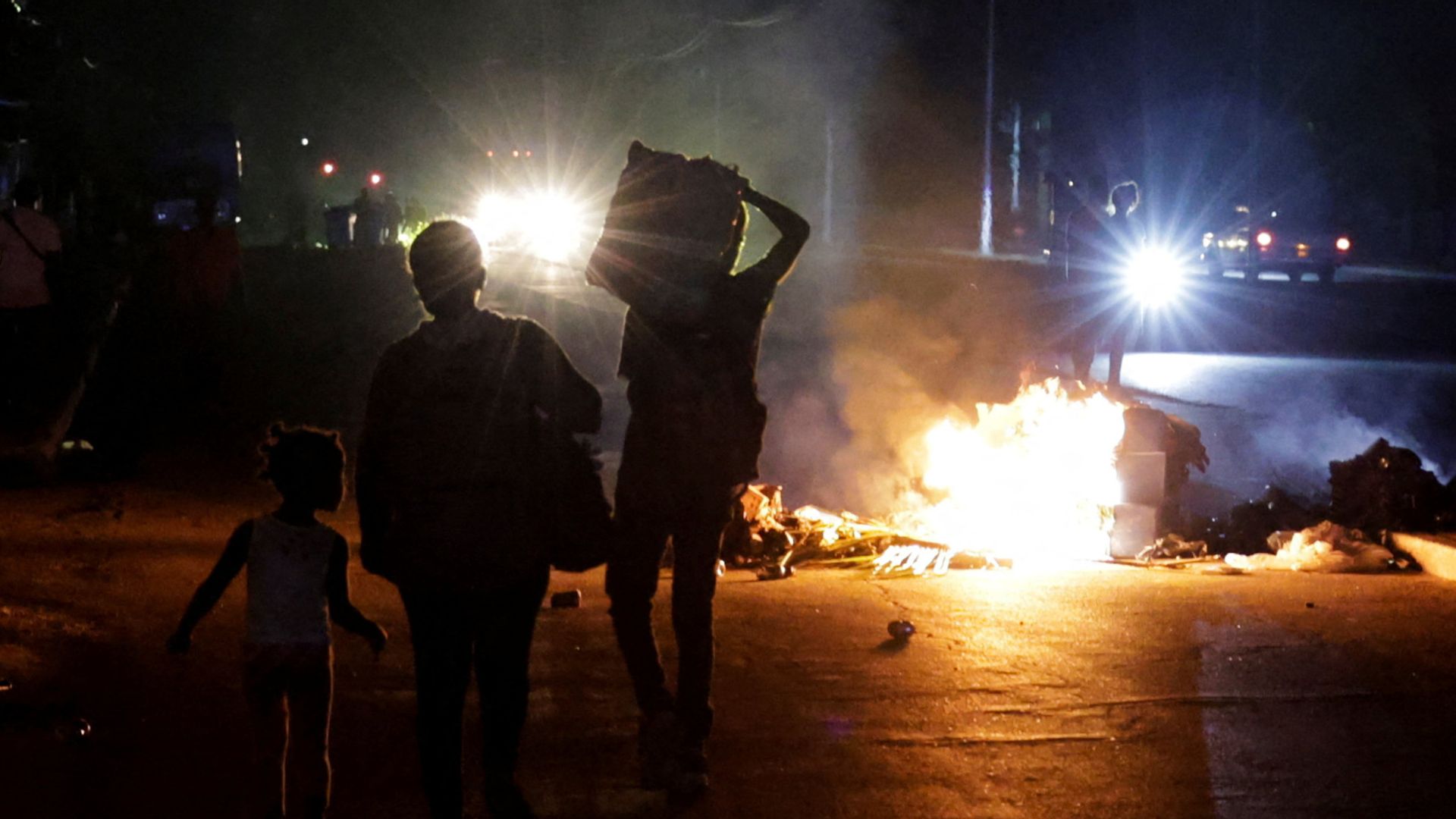
The current wave of protests in Havana and across the Cuban provinces is not merely a political event; it is the thermodynamic result of a system that can no longer convert energy into social stability. When the grid fails for days at a time, the social contract—predicated on the state’s provision of basic utilities in exchange for political compliance—undergoes a phase transition. The recent blackouts, the most severe in decades, represent a critical failure point where the physical decay of infrastructure meets a total lack of foreign exchange reserves, leaving the Cuban state with zero redundant systems to buffer against popular anger.
The Triad of Systemic Failure
To understand why Havana is currently seeing street demonstrations, one must look at the three-way intersection of energy production, food security, and digital connectivity.
1. The Energy Deficit and Grid Fragility
Cuba’s power grid is an aging relic of Soviet-era engineering and subsidized Venezuelan oil. The fundamental problem is a Net Energy Deficit. The country relies heavily on a handful of thermoelectric plants, such as the Antonio Guiteras plant, which are operating well past their intended service lives. These plants require constant maintenance that is frequently deferred due to a lack of hard currency for spare parts.
When a primary plant fails, the load is shifted to smaller, decentralized "distributed generation" units (mostly diesel generators). However, these units are inefficient and require fuel that the government cannot afford to import at market rates. The result is a cascading failure:
- Generation Gap: The gap between peak demand and actual supply often exceeds 30% of the total requirement.
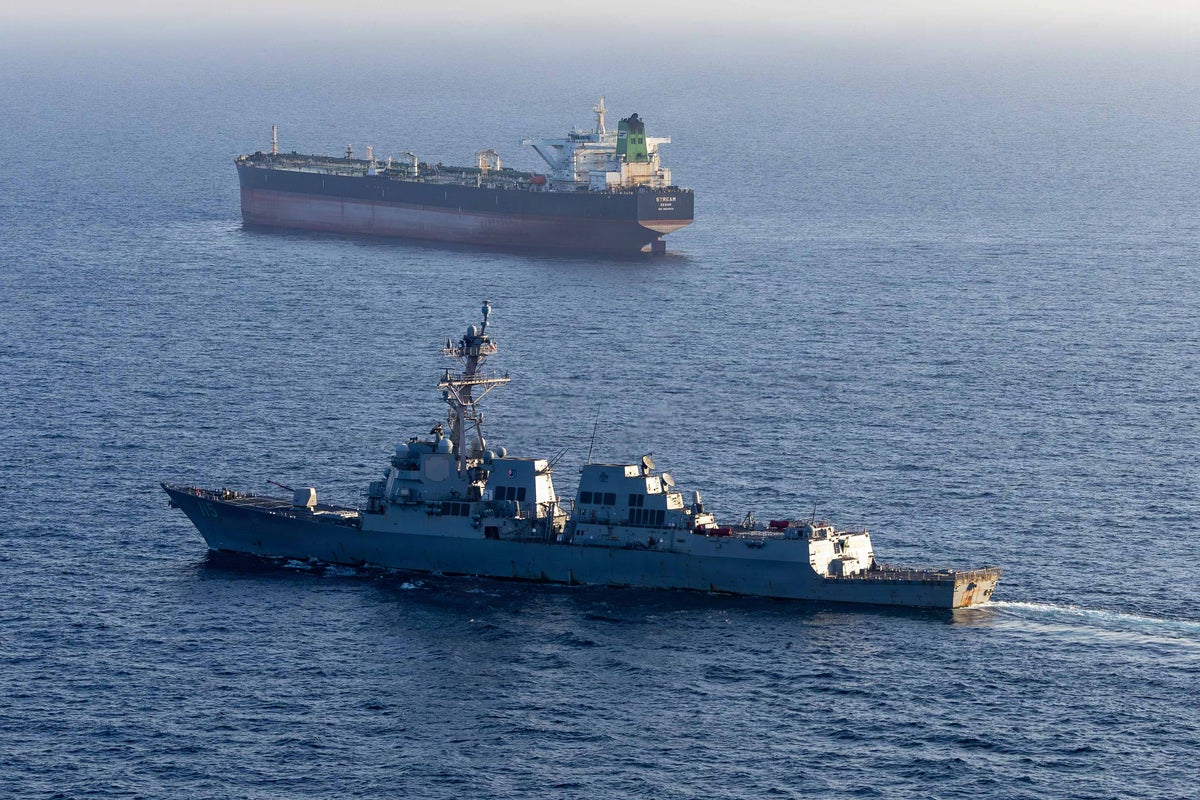
- Fuel Illiquidity: The state’s inability to secure credit lines means tankers sit idle offshore while the lights go out.
- Transmission Loss: Decaying lines and transformers ensure that even when power is generated, a significant percentage never reaches the end consumer.
2. The Perishability-Protest Correlation
In a tropical climate, electricity is a prerequisite for food preservation. In Havana, where the average citizen lacks a significant financial cushion, the loss of power means the immediate spoilage of the monthly food rations (the bodega). This transforms a "service interruption" into an existential threat. When a family watches their limited supply of protein rot in a warm refrigerator, the opportunity cost of protesting drops to zero. The state is no longer just failing to provide light; it is actively destroying the wealth—measured in calories—of its poorest citizens.
3. The Digital Information Loop
Unlike previous decades of Cuban isolation, the current unrest is synchronized via mobile data. Even during blackouts, citizens use remaining battery life to broadcast localized "cacerolazos" (pot-banging protests) via social media. This creates a feedback loop: a protest in the Vedado neighborhood is filmed, uploaded, and viewed in Santiago de Cuba within minutes, eroding the "pluralistic ignorance" that previously kept the population from acting in unison. The state’s primary counter-measure—total internet blackouts—functions as a temporary seal but further degrades the economy by halting private-sector digital transactions (MIPYMES).
The Economics of Inefficiency: Why Reform Stalls
The Cuban state remains trapped in a Value-Extraction Loop. To maintain the centralized economy, the government must extract value from the few productive sectors (tourism, medical exports, and remittances) to subsidize the highly inefficient state-run utilities.
The Currency Distortions
The existence of multiple exchange rates and the informal market for the US Dollar (USD) and the Euro creates a perverse incentive structure. State employees at the power plants are paid in Cuban Pesos (CUP), which have seen massive devaluation. This leads to:
- Brain Drain: Skilled electrical engineers leaving the state sector for private entrepreneurship or emigration.
- Systemic Corruption: The siphoning of diesel fuel from state generators into the black market to supplement unlivable wages.
The Dependency Shift
For years, Cuba relied on the "Oil-for-Doctors" swap with Venezuela. As Venezuelan production plummeted and Russia became preoccupied with its own geopolitical entanglements, the subsidized energy flow dried up. Cuba is now forced to buy on the open market, where it is a sub-prime borrower with a history of defaults. This lack of credit creates a "just-in-time" fuel delivery system that has zero tolerance for logistical delays. One late tanker is the difference between a functional city and a riot.
Tactical State Response and its Limits
The Cuban government’s response to the Havana protests follows a predictable, albeit increasingly ineffective, security framework.
Kinetic vs. Non-Kinetic Deterrence
The state utilizes the "Black Berets" (specialized riot police) for kinetic deterrence. However, the more sustainable tool is non-kinetic: the Rapid Response Brigades. These are civilian groups organized to counter-protest. The strategic goal is to frame the unrest not as a failure of the state, but as a clash between "revolutionaries" and "counter-revolutionaries."
The Blame-Shifting Narrative
The official narrative consistently centers on the US embargo (the bloqueo). While the embargo undoubtedly complicates financial transactions and the acquisition of US-made parts, it does not explain the internal failure to diversify energy sources or the decay of domestic agriculture. The state uses the embargo as a "universal variable" to explain every systemic failure, a tactic that is losing its efficacy among a younger demographic that views the embargo as a constant and the state's mismanagement as the variable.
Structural Constraints of the Private Sector
The emergence of MIPYMES (small and medium-sized enterprises) was intended to alleviate supply shortages without ceding political control. However, these businesses are the first to suffer during blackouts.
- Input Costs: A private bakery cannot operate without electricity or expensive, privately sourced diesel.
- Price Inflation: These costs are passed to consumers, further fueling the resentment that leads to protests.
- Capital Flight: Successful entrepreneurs, seeing the infrastructure collapse, are incentivized to move their capital out of the country rather than reinvesting in a failing grid.
The Strategic Path Forward
The Cuban state is currently operating in a Maintenance-Only Mode. There is no capital for the massive infrastructure overhaul required to stabilize the grid. To avoid a total social rupture, the state has only two viable strategic moves:
- Radical Decentralization: Allowing private entities or foreign cooperatives to own and operate renewable energy micro-grids. This would bypass the crumbling national infrastructure but would require the state to relinquish its monopoly on power, a core tenet of its political control.
- Total Market Liberalization for Remittances: Streamlining the flow of USD directly into the hands of citizens to create a shadow economy that can survive state failure. This is already happening de facto, but formalizing it would provide the "relief valve" necessary to lower the pressure of social unrest.
The probability of the current protests leading to a systemic change depends entirely on the Loyalty-to-Subsidy Ratio within the security forces. As long as the military and police receive preferential access to food and power, the state remains insulated. However, as the blackouts begin to affect the families of the rank-and-file officers, the state’s primary defense mechanism enters its own period of decay. The current situation in Havana is a precursor to a "forced transition"—not necessarily a democratic one, but a transition away from a centralized command economy that can no longer keep the lights on.
Strategic priority must be placed on monitoring the fuel-arrival-to-demand-gap. If the gap remains above 25% for more than 14 consecutive days, the risk of a non-linear social escalation—one that the current security apparatus cannot contain through localized suppression—reaches a critical threshold. The state’s ability to "manage" the blackout is now the only metric that matters for its survival.