Subterranean structural survivability during catastrophic hydrological events depends on precise physical variables that dictate whether underground industrial spaces become lethal traps or pressurized life-support chambers. When flash floods inundate subterranean hydropower installations, the survival timeline of trapped personnel is governed by the volume of trapped atmospheric pockets, gas exchange efficiency, metabolic oxygen consumption rates, and structural integrity. Analyzing subterranean entrapment mechanics requires examining why standard rescue models fail and how isolated chambers preserve human life well beyond conventional triage windows.
The primary variable determining survivability in a flooded subterranean conduit is the configuration of the hydro-pneumatic gradient. When a high-velocity debris flow or glacial outburst flood breaches a mountain tunnel entrance, the advancing water mass acts as a piston. This dynamic creates trapped pockets of air at higher structural elevations, commonly referred to as the Goldilocks zone within upper mezzanine levels or control rooms. The volume of this compressed air pocket determines the physiological ceiling for trapped occupants. Meanwhile, you can read other events here: Why Mid Air Safety Failures on Budget Airlines Keep Happening.
Metabolic oxygen depletion and carbon dioxide accumulation dictate the operational survival curve. In a closed thermodynamic system, a human adult consumes roughly 0.5 liters of oxygen per minute under resting baseline conditions. When multiplied across a cohort of trapped workers inside a confined atmospheric pocket, the oxygen fraction decays relative to the total volume of trapped air and carbon dioxide exhalation rates. Hypercapnia, or carbon dioxide toxicity, typically poses a lethal threat long before absolute anoxia occurs, making air-pocket altitude and micro-ventilation leakage through rock fissures critical determinants of physiological viability past the seventy-two-hour threshold.
Subterranean psychology introduces a parallel operational constraint during extended isolation events. Sensory deprivation combined with hyperbaric or hypoxic shifts triggers cognitive degradation, spatial disorientation, and hallucinations within the first twenty-four to forty-eight hours. Operators trapped in pitch-black environments lose circadian rhythm synchronization, which accelerates psychological fatigue. Maintaining cognitive stability under these conditions requires psychological anchors, such as repetitive vocalizations or routine mental task execution, which help regulate physiological stress responses and minimize metabolic oxygen demand. To see the complete picture, check out the excellent analysis by The New York Times.
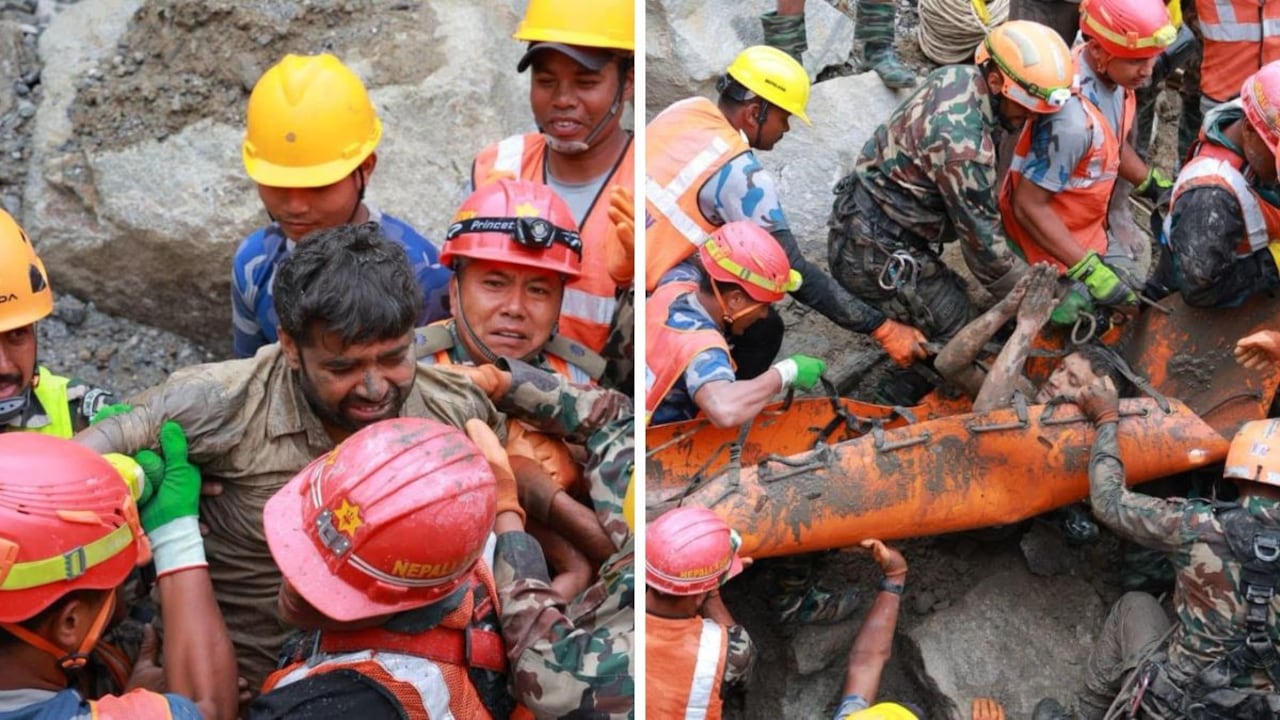
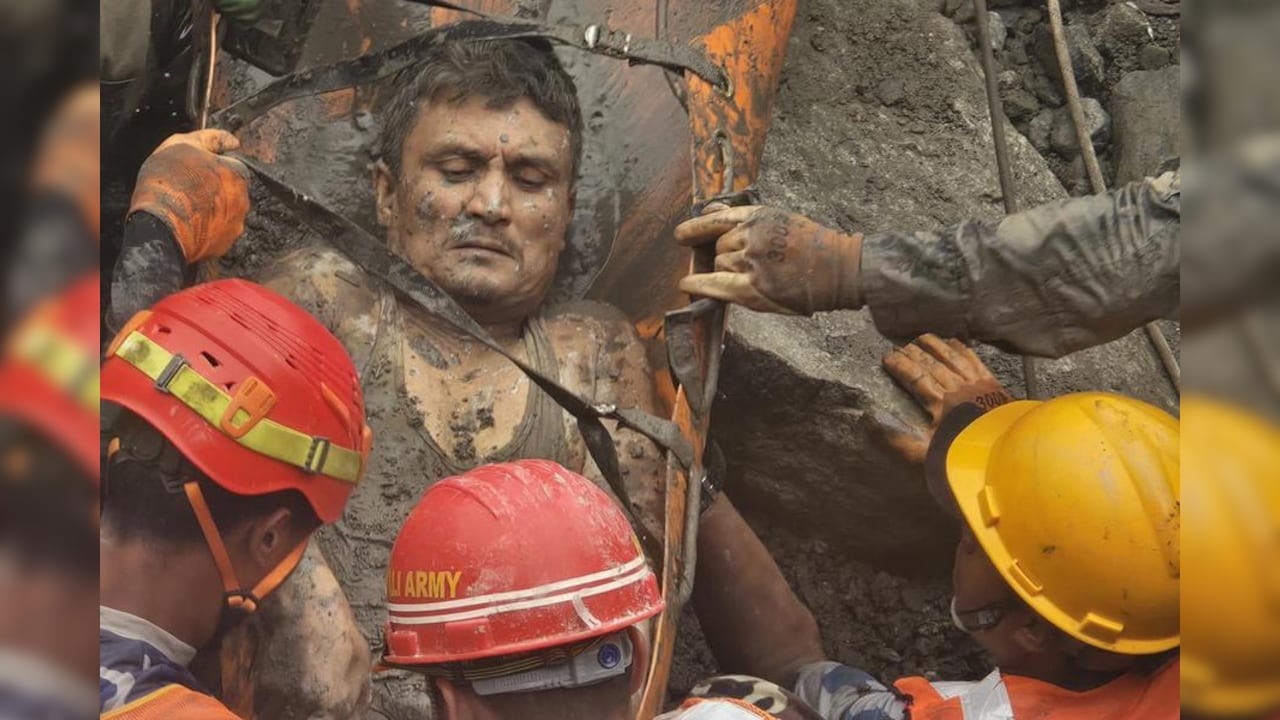
Rescue operations targeting deeply buried underground infrastructure face severe mechanical bottlenecks. When thousands of tons of silt, boulders, and dense slurry plug a tunnel entrance located hundreds of meters deep within a mountain range, traditional heavy earthmoving equipment is rendered largely ineffective. Specialized clearance requires micro-boring technology, controlled explosive charges executed by military engineering units, and manual tunneling through dense sediment. Rescuers must navigate structural instability, secondary collapses, and toxic gas accumulations while crawling through restricted clearances, converting every linear meter of excavation into a high-risk engineering challenge.
Resource allocation models in mass-casualty subterranean disasters must prioritize acoustic detection arrays and thermal imaging over blind excavation. Because debris dampens sound transmission, specialized seismic listening devices and acoustic geophones deployed along the exterior mountain profile allow rescue teams to isolate vocal frequencies bouncing through solid rock strata. Establishing two-way acoustic communication confirms structural compartment sealing and verifies that internal air pockets remain uncompromised by rising subterranean water tables.
Future disaster mitigation protocols for subterranean engineering projects must shift from reactive recovery to preventative architectural redundancy. Industrial installations located in seismically volatile river basins require the integration of sealed, autonomous refuge chambers equipped with independent oxygen generators, carbon dioxide scrubbers, seven-day life support consumables, and hardened structural bulkheads capable of withstanding dynamic hydraulic hammer pressures. Retrofitting existing facilities with these survival modules minimizes vulnerability to glacial lake outburst floods and decouples human survival timelines from the speed of surface-level heavy excavation.
.png?width=1200&auto=webp&trim=0%2C0%2C0%2C0)