The Reality of Facing the Cameras with a Visible Difference
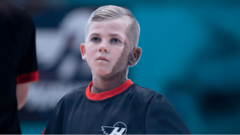
You're a kid, you love football, and you suddenly land a spot on national television. It sounds like the ultimate dream. But what if you look visibly different from every other kid on the pitch? For young athletes born with rare skin conditions like Congenital Melanocytic Naevi (CMN), stepping into the spotlight brings a massive layer of vulnerability.
CMN isn't just a typical freckle. It's a rare form of birthmark that can cover large areas of the body, often appearing prominently on the face, neck, or limbs. In a hyper-visual world, putting yourself out there on TV takes immense guts. Yet, we're seeing a massive shift in how the media and youth sports organizations handle representation. Young football stars aren't letting these markings hold them back from their athletic ambitions, and they're changing public perception in the process. Don't miss our previous post on this related article.
Shifting From Hiding to Owning Your Appearance
For decades, the standard response to any visible skin difference was concealment. Parents often felt pressured to seek intense, sometimes painful surgical removals, or children relied on heavy cosmetics to fit into a rigid mold of normality. The mainstream media historically pushed a very narrow definition of what an athlete or television personality should look like.
That outdated mindset is completely crumbling. To read more about the context here, CBS Sports offers an excellent breakdown.
Young players are actively refusing to cover up their birthmarks while filming or competing. When you see a young person command a football pitch and confidently speak to broadcasters without attempting to mask their CMN, it sends a powerful message. It moves the conversation away from pity or curiosity and firmly places the focus where it belongs: on raw talent, skill, and dedication.
This visibility is vital for families dealing with rare skin conditions. Seeing someone achieve elite athletic success on a public platform changes what parents think is possible for their own kids. It shows that a birthmark is just a physical trait, not a barrier to achievement or a reason to hide away.
The Mental Toughness Needed Behind the Scenes
Let's be totally honest. Building this level of confidence isn't easy, and it doesn't happen overnight. Kids with visible differences face unique challenges that go way beyond mastering a tactical drill or scoring a goal.
- Handling Unwarranted Comments: Whether it's a careless remark from an opposing player or an insensitive comment online, young public figures have to develop thick skin fast.
- The Pressure of the Lens: Television cameras magnify everything. Standing under broadcast lights knowing thousands are watching requires a deep level of self-acceptance.
- Navigating Curiosity: Constantly answering questions about why your skin looks different can be exhausting, even when people mean well.
The young athletes thriving in these roles usually have a bulletproof support system at home and within their clubs. Coaches who focus entirely on performance and character create spaces where physical differences quickly become irrelevant. When a team embraces a player for what they bring to the game, it provides a massive boost to that player's resilience.
Reforming the Culture of Youth Sports
If we want to see more diverse kids succeeding on television and in high-level sports, the environment on the ground has to change. We need a sports culture that values individuality rather than forcing kids to blend into the background.
True inclusivity means training coaches and youth leaders to handle locker room dynamics properly. It means addressing teasing or staring immediately, not letting it slide as "kids being kids." When clubs take a proactive stance on body positivity and visible differences, they create safer environments for everyone.
The benefits extend far beyond the pitch. When a young footballing star owns their look on television, they become an accidental advocate. They show a generation of young viewers that confidence isn't about having flawless, airbrushed skin. It's about knowing your worth, sharpening your skills, and refusing to let anyone else define your limitations.
To help foster this inclusive environment in local sports communities, focus on these immediate steps:
- Educate young teams about visible differences early on to normalize conditions like CMN and eliminate the novelty factor.
- Establish zero-tolerance rules for appearance-based bullying or teasing during practice and matches.
- Highlight diverse sporting role models who break the traditional mold to inspire players who feel different.