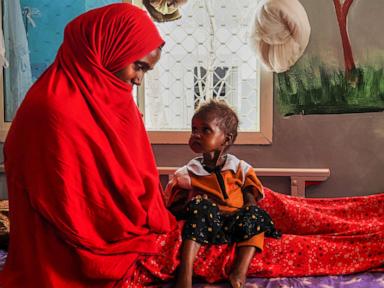
Somalia is parched. The ground is cracked, the livestock are dead, and mothers are walking hundreds of miles just to find a cup of clean water for their children. This isn't a story from ten years ago. It's happening right now in 2026. The most frustrating part isn't the weather. It's the silence. While the climate continues to batter the Horn of Africa, the international community has largely moved on to other headlines. We've seen this cycle before, but this time, the safety net is missing.
If you look at the data from the UN Office for the Coordination of Humanitarian Affairs (OCHA), the numbers are staggering. Millions of people face acute food insecurity. Yet, the funding for the 2026 Humanitarian Response Plan is sitting at a fraction of what’s needed. Donors are fatigued. Geopolitical conflicts in Europe and the Middle East have sucked the oxygen—and the cash—out of the room. Somalia is facing a "polycrisis" where climate change, internal instability, and global indifference meet in a perfect, deadly storm.
The Brutal Reality of Climate Injustice in Somalia
We talk about climate change in the West as a future threat or an inconvenience involving carbon taxes. In Somalia, it's a death sentence today. The country has endured multiple consecutive failed rainy seasons. Think about that. Imagine your local grocery store being empty for three years. Then imagine you have no savings and no car.
The science behind this is clear but grim. The Indian Ocean Dipole and El Niño patterns have shifted. These shifts aren't just natural variations anymore; they're amplified by a warming planet that Somalia didn't cause. Somalia contributes less than 0.01% of global greenhouse gas emissions. Yet, it's one of the most vulnerable places on Earth. It's the ultimate example of climate injustice.
I've talked to aid workers who describe "ghost villages." These are places where every single person has left because the wells ran dry. They head toward Mogadishu or Baidoa, ending up in overcrowded camps where disease spreads faster than help. People aren't moving because they want to. They’re moving because staying means dying.
Where Did the Humanitarian Aid Go
You might wonder why the world isn't rushing to help like it did in 2011 or 2017. The answer is uncomfortable. The world’s attention span is short, and the global aid budget is finite. When the war in Ukraine started, and later the escalations in Gaza and Lebanon, billions of dollars were redirected.
Somalia is seen as a "protracted crisis." That's a fancy way for bureaucrats to say they're tired of dealing with it. Because the country has struggled with conflict and hunger for decades, donors start to feel like their money isn't "solving" the problem. But aid isn't always about a permanent fix; sometimes, it's just about keeping a five-year-old from starving to death this week.
The Rise of Food Prices
It's not just about the lack of rain. It's about the cost of what little food is left. Somalia relies heavily on imported grain. When global supply chains break or prices spike due to distant wars, the person in a rural Somali market pays the price.
- Bread prices have doubled in some regions.
- The price of water has tripled in drought-hit areas.
- Livestock, the primary "bank account" for nomadic families, are worth nothing when they're skin and bones.
When a farmer's goats die, they lose their income, their food source, and their dignity all at once. They go from being self-sufficient to being "internally displaced persons" (IDPs).
Why Local Solutions Are the Only Way Forward
Foreign aid is a Band-Aid. A necessary one, sure, but it won't fix the underlying issues. The real heroes right now aren't just the big international NGOs. They're the local Somali organizations and community leaders who understand the terrain.
We need to stop obsessed over "emergency response" and start talking about "resilience." This means investing in deep-bore wells that don't dry up after one bad season. It means introducing drought-resistant crops that can survive on a fraction of the water traditional maize needs.
The Somali government has made strides in establishing a Ministry of Environment and Climate Change. They're trying to build a framework. But you can't build a green economy when your people are starving. You need a foundation of stability.
The Role of Al-Shabaab
We can't talk about the drought without talking about security. The militant group Al-Shabaab still controls significant portions of the countryside. They often block aid from reaching the people who need it most. Or they tax the meager resources people have left.
This creates a "double burden." You're fleeing the drought, but you're also fleeing the crossfire. It makes the logistics of delivering food nearly impossible in some zones. Aid workers have to negotiate through complex clan structures and face the constant threat of kidnapping or IEDs. It’s a nightmare for any logistics manager.
Small Wins Amidst the Chaos
It’s easy to get cynical, but there are things that actually work. Cash transfers are a great example. Instead of shipping tons of grain from halfway across the world—which takes months and kills local markets—aid agencies send money via mobile phones.
Somalia has one of the most advanced mobile money ecosystems in Africa. People use their phones for everything. By sending cash, you let a mother buy exactly what her family needs. It supports the local shopkeeper. It’s fast. It’s dignified. And it’s much harder for militants to steal a digital transaction than a truckload of flour.
The Power of the Diaspora
Don’t underestimate the Somali diaspora. Every month, millions of dollars flow back into the country from Somalis living in Minneapolis, London, and Dubai. This money—remittances—is the real lifeblood of the country. It often reaches the rural areas much faster than any UN convoy. During a drought, this money is the difference between a family eating one meal or zero.
What You Can Actually Do
If you're reading this and feeling helpless, don't just look away. The "emergency" isn't a single event; it's a series of failures that we can choose to interrupt.
First, support organizations that prioritize direct cash transfers. Give to groups like GiveDirectly or local Somali NGOs that have boots on the ground. They don't have the massive overhead of the giant agencies.
Second, demand that climate funding actually reaches the "frontline" states. At global summits like COP, wealthy nations promise billions for "loss and damage." Very little of that actually hits the ground in places like Baidoa. It gets caught in a web of consultants and middle managers.
Third, stay informed beyond the 24-hour news cycle. Somalia doesn't trend on social media until it's a full-blown famine with horrific imagery. We should be acting when the warnings are issued, not when the bodies are being buried.
The drought in Somalia is a test of our global conscience. If we only help when it’s convenient or when the cameras are rolling, we’ve already failed. The infrastructure for help exists. The technology for resilience is there. The only thing missing is the collective will to fund it before the next dry season turns a crisis into a catastrophe.
Check the latest reports from the Famine Early Warning Systems Network (FEWS NET). They provide the most accurate, data-driven look at where the food gaps are. Write to your representatives. Ask why climate adaptation funds aren't being prioritized for the Horn of Africa.
Stop waiting for a "celebrity moment" to care about Somalia. The crisis is happening this morning. It’ll be there tomorrow. The question is whether the rest of the world will finally show up.