The headlines are selling you a "ceasefire." They are peddling the comfortable notion that the 2026 Iran war has hit a pause button, that diplomacy is winning, and that the "Project Freedom" escort mission is a stabilizing force. It is a lie. What we are witnessing is not the absence of war; it is the evolution of it.
The media’s obsession with the word "ceasefire" ignores the reality of the Dual Blockade. While the White House tweets about a "double-sided ceasefire," the U.S. Navy is actively choking Iranian ports, and Tehran has the Strait of Hormuz in a carotid sleeper hold. This isn't a peace treaty. It’s a competitive strangulation.
The Mirage of De-escalation
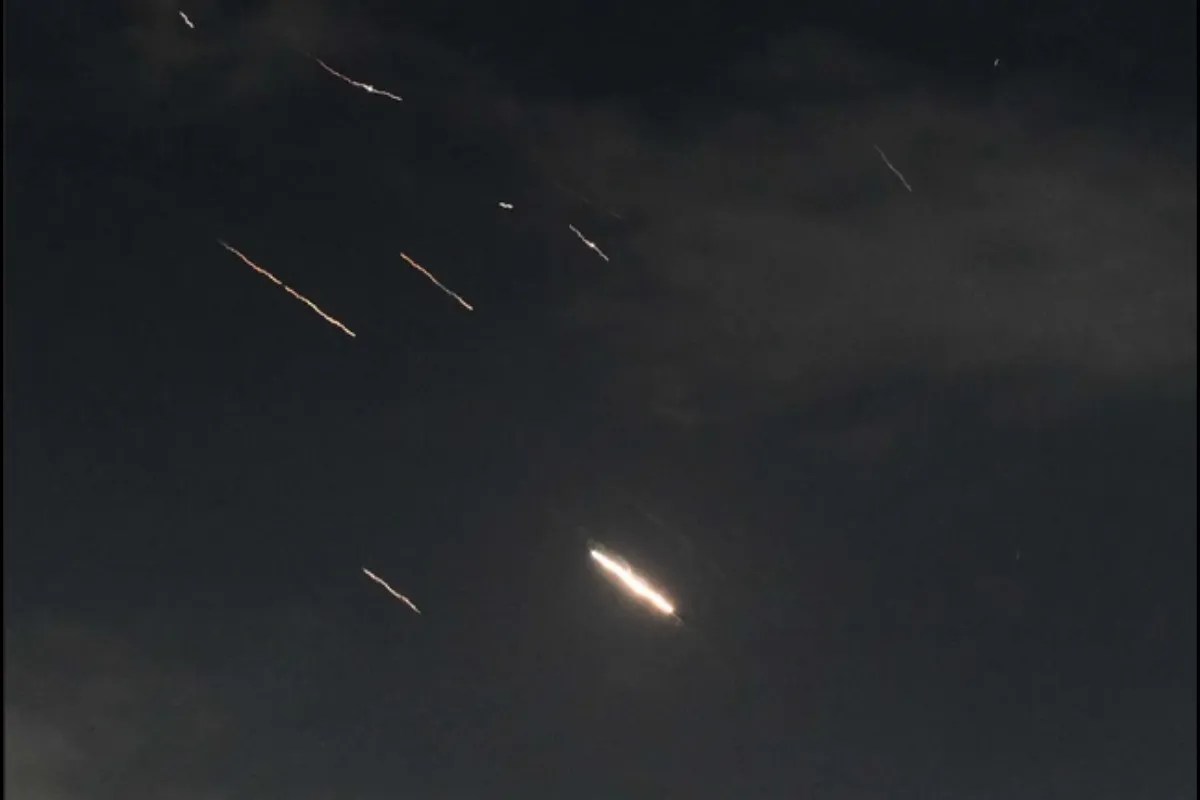
Mainstream outlets are framing the recent exchange of fire—where the IRGC Navy swarmed the USS Rafael Peralta and the U.S. responded by hammering Qeshm Island—as "tests" of a fragile truce. This is the wrong lens. These aren't tests; they are the new rules of engagement.
I have seen administrations burn through billions trying to buy "stability" in the Gulf. The 2026 conflict, sparked by the February strikes and the decapitation of Iran’s leadership, didn't end on April 8. It just migrated from high-altitude bombing to a localized, brutal game of maritime chicken.
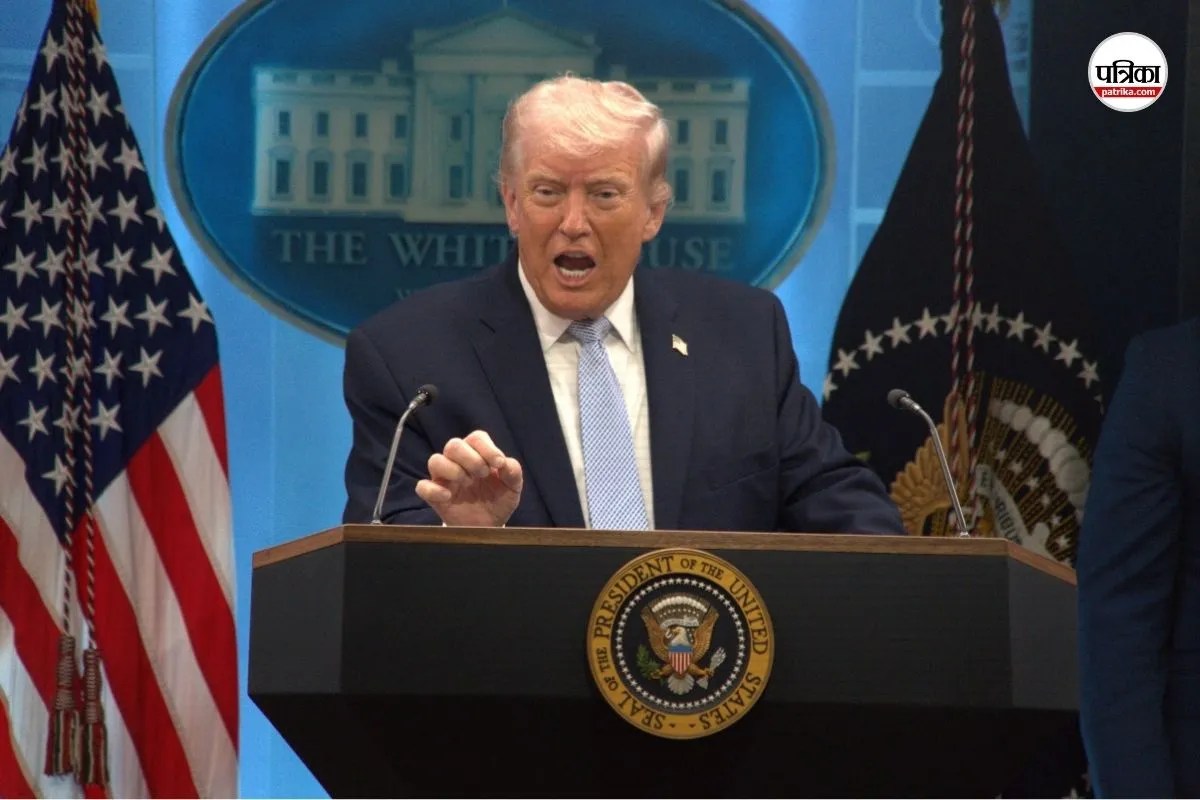
When Trump calls a strike on an Iranian drone site a "love tap," he isn't being hyperbolic; he is signaling that the U.S. has normalized kinetic action within the framework of a "peace" process. We have reached a state of Permanent Tactical Friction. In this environment, a ceasefire is just a logistical window to reload.
The Economic Delusion
Investors are bidding up global stocks because they believe the Strait of Hormuz will magically reopen by Monday. They are falling for the "Islamabad Breakthrough" narrative.
Look at the mechanics. Iran’s 10-point proposal isn't a peace plan; it’s a demand for the U.S. to blink first on the naval blockade. Trump’s "Project Freedom" is an admission of failure. If the ceasefire were real, you wouldn't need to escort tankers with Arleigh Burke-class destroyers. You’d just sail.
The current "stalemate" is costing the global economy more than the active bombing phase did.
- Brent Crude is oscillating violently between $110 and $125.
- Insurance premiums for tankers in the Gulf have hit "war-risk" levels that make shipping effectively impossible for anyone but state-backed entities.
- The Supply Chain is being rerouted around the Cape of Good Hope, adding weeks to transit times and permanent inflation to consumer goods.
By calling this a ceasefire, the administration is keeping the markets on life support while the actual patient—global trade—is flatlining.
The Sovereignty Trap
The "People Also Ask" sections of the internet want to know if Iran is "reviewing the U.S. proposal." That question assumes a functional government in Tehran. Following the "Operation Epic Fury" strikes that targeted the heart of the regime, Iran is a fractured entity. The IRGC is acting independently of the "diplomats" sending messages through Pakistan.
We are treating a wounded, cornered animal like a rational Westphalian state.
The counter-intuitive truth? A formal deal might be the worst thing for the U.S. right now. Any agreement signed today would be with a regime that has zero internal legitimacy and a desperate need to prove its "resistance" through proxy attacks.
Stop Looking for a Signature
The "lazy consensus" says we need a signed document in Islamabad to end the crisis. That is a 20th-century solution to a 21st-century mess.
We aren't going back to the JCPOA. We aren't going back to "maximum pressure." We are in the era of Managed Chaos. The U.S. isn't trying to win the war anymore; it’s trying to price it into the market.
If you are waiting for a "return to normal," you have already lost the trade. The "ceasefire" is the new war. The "attacks" are the new diplomacy. The sooner you stop listening to the televised optimism and start looking at the naval positioning, the sooner you'll understand that the fire hasn't been put out—it’s just being used as a heater.
The U.S. military is already preparing for the next "unprovoked" attack because they know the ceasefire is a semantic shield, not a physical reality. They are currently striking "command and control locations" while calling it "self-defense" within a truce. If that isn't a masterclass in geopolitical gaslighting, nothing is.
The war didn't end. It just got a better PR team.