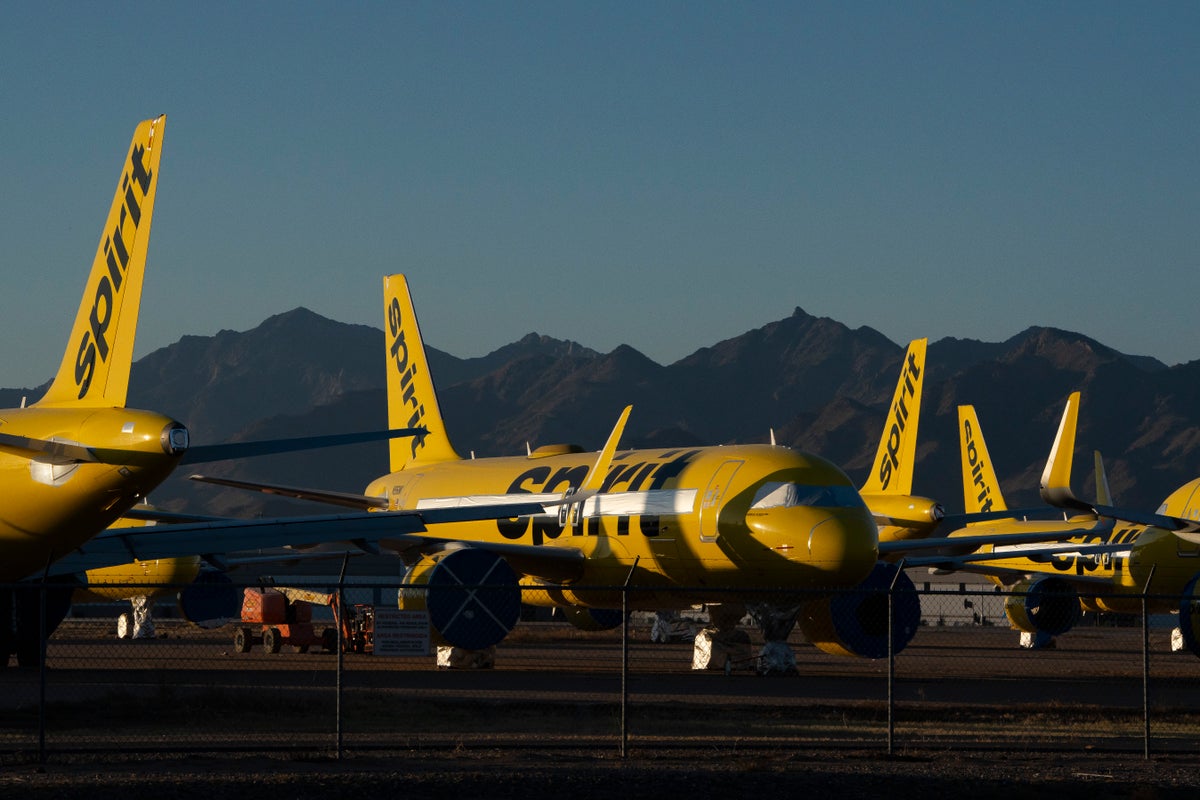
The uniform hung in the back of the closet, a splash of bright yellow that used to mean something. For Sarah—let’s call her Sarah, because she represents hundreds of real people whose names are currently buried in a Florida court filing—that yellow blazer was a ticket to a middle-class life. She had spent years navigating the narrow aisles of Airbus jets, managing the anxieties of travelers, and trading her holidays for the chance to build a retirement fund.
Now, that blazer is just a reminder of a promise that went unkept.
When Spirit Airlines began its descent into financial turbulence, the headlines focused on stock prices, merger failures, and bankruptcy rumors. But on the tarmac and in the crew lounges, the conversation was different. It was about the missing numbers on a digital paystub. It was about the sudden, cold realization that the company you spent your life defending might not have your back when the fuel runs dry.
The Ledger of Broken Promises
The lawsuit recently filed by former employees doesn't just ask for money. It asks for accountability in an industry that often treats human beings like interchangeable parts. According to the legal complaint, Spirit Airlines failed to pay out accrued vacation time, sick leave, and other earned benefits to a significant number of workers who were shown the door.
Think about that for a second.
Vacation time isn't a gift. It isn't a perk. In the world of aviation, where the hours are grueling and the time zones are a blur, those accrued days are a form of currency. They are the "deferred life" workers trade for their labor. When a company withholds that pay, they aren't just balancing a sheet; they are reaching into the pockets of people who are already facing the terrifying prospect of unemployment.
The math is brutal. For a senior flight attendant or a veteran mechanic, those unpaid benefits can amount to thousands of dollars. That is a mortgage payment. That is a child’s tuition. That is the bridge between a career ending and a new one beginning.
The Sound of Silence in the Cockpit
There is a specific kind of silence that happens when a company stops communicating with its own people. It starts with rumors near the coffee machine and ends with a formal letter that arrives via email on a Friday afternoon.
The plaintiffs in this suit describe a chaotic exit. They talk about a system that seemed designed to ignore them. When they asked about their final checks, they were met with the corporate equivalent of a shrug. This isn't just about a glitch in the payroll software. It represents a fundamental breakdown of the social contract between employer and employee.
If a passenger forgets to pay for a carry-on bag, the airline catches it in seconds. The technology is there. The tracking is precise. Yet, when it comes to paying out the benefits earned over a decade of service, suddenly the systems become "complex" and the timelines become "under review."
The irony is thick. Spirit built its brand on being "bare fare"—stripping away the fluff to provide the essentials. But it turns out they might have stripped away the essentials of labor law, too.
Beyond the Bankruptcy Filing
To understand the weight of this lawsuit, you have to look at the shadow cast by the JetBlue merger that never was. For months, Spirit was the prize in a high-stakes tug-of-war. Employees waited, hopeful that a merger would bring stability. Instead, the deal was blocked, the financial outlook soured, and the "right-sizing" began.
Right-sizing.
It’s a sterile word for a violent process. It means families losing their health insurance. It means 55-year-old pilots wondering if they’ll ever sit in a cockpit again. It means the people who kept the planes in the air are left standing on the curb, watching the executives navigate the bankruptcy process with the help of high-priced lawyers who certainly aren't missing their paychecks.
The lawsuit alleges that Spirit’s actions violated the Fair Labor Standards Act and various state laws. But the legal jargon masks a simpler truth: you cannot build a business on the backs of people and then refuse to pay them for the time they gave you.
The Invisible Stakes
We often talk about airlines as if they are just machines and schedules. We forget the person who stayed late to fix a hydraulic leak in the freezing rain. We forget the flight attendant who de-escalated a conflict at 30,000 feet so the plane didn't have to divert.
These workers didn't just give their time; they gave their health. They gave their missed birthdays and their ruined sleep cycles. When a company owes them pay, they are owing them for the pieces of their lives they can never get back.
The legal battle ahead will be long. Spirit will likely point to its financial distress as a shield. They will talk about "creditor hierarchies" and "liquidity constraints." They will use the language of the boardroom to drown out the voices of the breakroom.
But the law is supposed to be the great equalizer. It exists to ensure that the person at the bottom of the organizational chart has the same right to their earnings as the person at the top.
The Human Cost of Corporate Decay
The planes are still flying, for now. Passengers are still squeezing into tight seats, complaining about the lack of snacks, and hoping their flights aren't delayed. They look at the crew and see a uniform. They don't see the person wondering if they can afford their rent next month because their former employer decided their benefits were "negotiable."
This lawsuit is a warning shot. It’s a reminder that even in an industry defined by flight, you can’t escape the gravity of basic fairness.
Sarah still has that yellow blazer. She can’t bring herself to throw it away, even though it represents a betrayal. She keeps it because it reminds her of the person she was when she believed that hard work was a two-way street. She isn't just suing for a check. She is suing for the dignity of knowing that her years of service actually mattered.
The courtroom in Florida is a long way from the sky, but for hundreds of former workers, it is the only place left where they might finally find some clear air.
The jet engines eventually go quiet, but the debt remains, etched into the lives of those who were left behind on the tarmac.