The Sovereignty Myth and the Cold Reality of Export Controls
Kuala Lumpur is fuming. The headlines are screaming about betrayal and "interference" in national defense. Malaysia is slamming Norway because Oslo pulled the plug on an export license for a sophisticated naval missile system. The usual suspects in the commentary sections are calling it a violation of sovereignty. They are wrong. This isn't a diplomatic insult; it’s a long-overdue reality check for a procurement strategy that has been stuck in the 1990s.
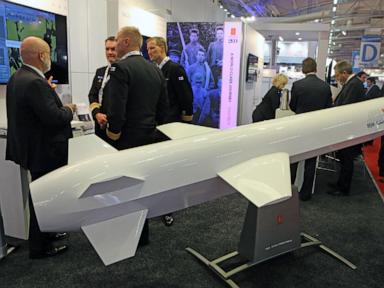
When a nation buys a high-end weapon system like the Naval Strike Missile (NSM), it isn’t buying a product. It’s entering a long-term marriage with the supplier’s foreign policy. If you don't like the terms of the pre-nup, don't sign the contract. Norway’s decision to revoke the license is a feature of their system, not a bug. They have strict "End-Use Monitoring" and human rights criteria that are baked into their law. Complaining about it now is like buying a Ferrari and being shocked that the maintenance costs more than a Honda.
Malaysia’s outrage assumes that paying for a missile grants you total autonomy over its deployment. That is a fantasy. In the modern defense sector, every chip, every line of code, and every solid-fuel rocket motor comes with strings attached. If you want "sovereignty," you build it yourself. If you can’t build it, you accept that your defense posture is on loan from the Global North.
The Lazy Procurement Trap
I have watched defense ministries across Southeast Asia burn through billions on "prestige" platforms while ignoring the logistical handcuffs that come with them. Malaysia’s current frustration is a symptom of a deeper rot: the obsession with "big-ticket" hardware over sustainable, independent defense ecosystems.
The competitor articles focus on the "slap in the face." They ignore the incompetence of buying from a nation whose domestic laws are diametrically opposed to your regional geopolitical maneuvers. Norway isn't the villain here; the procurement officers who didn't account for Oslo's predictable regulatory shifts are.
We see this pattern repeatedly. A country buys a fleet of European fighter jets or submarines, then acts shocked when spare parts are withheld because of a localized conflict or a change in government in the supplier nation. This is "Lazy Procurement." It’s easier to cut a check for a finished Norwegian missile than it is to invest twenty years into a domestic R&D pipeline or to diversify suppliers to include less restrictive—though perhaps less "prestigious"—partners like Turkey or South Korea.
Why Norway’s "No" is a Strategic Gift
Everyone is treating this revocation as a disaster for the Royal Malaysian Navy. It isn't. It is the best thing that could happen to their long-term strategy, provided they have the guts to pivot.
- It Exposes the "Single-Source" Vulnerability: If one Norwegian bureaucrat can effectively disarm a Malaysian corvette, then that corvette was never truly a part of a sovereign fleet. It was a floating Norwegian asset.
- It Forced a Valuation of "Black Box" Tech: Buying the NSM means buying a black box. You can't fix it, you can't modify it, and clearly, you can't always keep it. This setback should be the catalyst for Malaysia to demand "Source Code Sovereignty" or "Technology Transfer" that actually means something, rather than the glorified assembly-line jobs usually pitched as "offsets."
- It Filters Real Allies from Vendors: Norway is a vendor. They are not a strategic defense partner in the Indo-Pacific. Treating them like one was a categorical error.
The Human Rights Clause is Not a Suggestion
The "lazy consensus" suggests that Norway is being "unprofessional" by injecting ethics into a hardware deal. This is a fundamental misunderstanding of how the Nordic defense industry operates. For Norway, the export license is the weapon. They use it to signal their alignment with international norms.
Critics argue that defense deals should be "strictly business." This is a naive view of the global arms trade. There is no such thing as "strictly business" when you are selling the capability to sink a ship from 200 kilometers away. Every transaction is a political statement. Malaysia’s shock suggests they haven't been reading the room in Brussels or Oslo for the last decade. The shift toward "Values-Based Procurement" is accelerating. If your domestic or regional policies don't align with European social-democratic values, stop trying to buy their top-tier kits. You are wasting your time and your taxpayers' money.
Rethinking the "Blue Water" Ambition
Malaysia wants a "Blue Water" navy—a force capable of operating across open oceans. But if that navy relies on Norwegian missiles, French hulls, and German engines, it’s a "Vassal Navy."
Imagine a scenario where a regional maritime dispute escalates. Malaysia prepares to defend its Exclusive Economic Zone. Suddenly, a "software update" or a revoked license renders the primary strike capability of the fleet inert. That is the risk Malaysia is currently running. The "outrage" over Norway is a distraction from the fact that the current fleet is a patchwork of foreign dependencies.
The real contrarian move isn't to "slam" Norway. It's to stop the crying and start the decoupling.
The South-South Alternative
The obsession with "Western" tech is a colonial hangover. Nations like Turkey, Brazil, and even Indonesia are proving that you can develop "good enough" systems that don't come with a moralizing lecture from a Scandinavian parliament.
Turkish drones and missiles have changed the math of modern warfare in Ukraine and Nagorno-Karabakh. Why? Because Turkey sells hardware with fewer strings and more willingness to share the underlying tech. Malaysia’s insistence on chasing the NSM—the "shiny toy" of the missile world—is a failure of imagination.
A "Good Enough" missile that you actually own and can fire whenever you want is infinitely superior to the "World Class" missile that requires a permission slip from Oslo.
Stop Asking if it’s Fair
"People Also Ask" online if Norway's move is "legal" under international trade law. The question itself is flawed. In the world of arms exports, "legal" is whatever the exporting cabinet says it is. Export licenses are discretionary. They are not guaranteed rights.
The Malaysian government is acting like a jilted lover when they should be acting like a cold-blooded strategic actor. If the supplier changes the terms, you don't complain to the press; you find a new supplier and you make sure the next contract has "Sovereignty Clauses" that trigger massive financial penalties if a license is revoked for political reasons.
The Cost of the "Moral Premium"
Norway charges a "moral premium." You aren't just paying for the missile; you are paying for the brand of a "responsible" arms exporter. If Malaysia can’t afford that premium—not in Ringgit, but in policy concessions—then they are shopping in the wrong store.
The defense industry is littered with the corpses of deals gone south because the buyer ignored the internal politics of the seller. Look at the US withholding F-35s from Turkey. Look at Germany's frequent bans on small arms to the Middle East. This is the game. If you didn't know the rules, you shouldn't have sat at the table.
The Illusion of the "Integrated" Fleet
The competitor article treats the loss of the NSM as a hole in an "integrated" defense plan. But how integrated can a plan be if the most vital component is subject to the whims of a foreign capital?
True integration isn't about making a Norwegian missile talk to a French radar. It’s about integrating your national security needs with your industrial capability. Until Malaysia can produce its own propulsion systems or at least maintain the ones it buys without "phoning home," its navy is essentially a collection of very expensive museum pieces that Norway can turn off at will.
The Strategic Pivot
Stop slamming Norway. It makes the country look weak and desperate.
Instead, the Ministry of Defense should be doing three things immediately:
- Auditing every single European defense contract for "Political Revocation" clauses.
- Redirecting the NSM budget into a joint venture with a non-aligned or "unrestricted" partner to co-develop indigenous anti-ship capabilities.
- Accepting that the era of "Easy Procurement" is over.
The world is fragmenting into ideological blocs. The idea that a non-aligned nation in Southeast Asia can just "buy" high-end tech from a NATO member without adopting NATO’s baggage is a delusion that died this week.
If Kuala Lumpur is serious about its defense, it will stop the rhetoric and start the hard work of building a navy that doesn't need a Norwegian signature to defend its own waters. Anything else is just noise.
The naval missile is gone. Good. Now Malaysia has to decide if it wants a real navy or a collection of Norwegian-made paperweights.