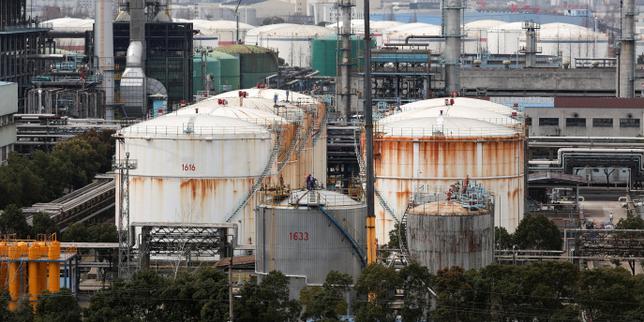
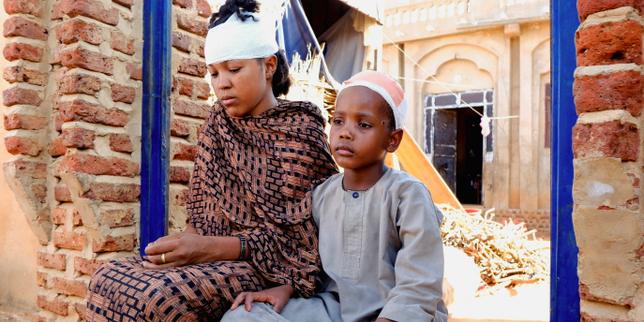
A massive industrial blast just shook the global energy market, and the human toll is devastating. Twelve Indian blue-collar workers lost their lives on Sunday night when an explosion ripped through the Barzan local gas supply facility inside Qatar’s massive Ras Laffan Industrial City. One Pakistani national also died, bringing the total death toll to 13. Another 66 workers suffered injuries.
The blast was strong enough to shake windows in central Doha, roughly 70 kilometers away. While QatarEnergy was quick to assure global markets that its liquefied natural gas export capabilities remain perfectly intact, the tragedy exposes a massive, messy intersection of geopolitical scars and industrial risk.
This wasn't just a random pipe burst. It highlights the incredible strain on Qatar's energy infrastructure as it tries to bounce back from recent wartime damage. Indian External Affairs Minister S Jaishankar expressed deep sorrow on Tuesday, confirming that New Delhi's embassy is working with Qatari officials to identify the victims and fly their bodies home. But behind the official condolences lies a much bigger story about the intense dangers migrant workers face when complex industrial facilities are restarted under pressure.
Why Restarting Barzan Was a High-Stakes Gamble
To understand why this explosion happened, you have to look at the timeline. The Barzan facility had been completely shut down since December 2025 for urgent, heavy maintenance. Engineers had only restarted operations two days before the explosion.
QatarEnergy and the Qatari Ministry of Interior insist the blast was an operational accident caused by a technical malfunction during the start-up phase. They explicitly ruled out sabotage or hostile action. That distinction matters because Ras Laffan is still recovering from major scars. Back in March, Iranian missile strikes slammed into two primary gas-processing units at the complex, knocking out nearly 17 percent of Qatar’s export capacity.
When an LNG facility sits idle or undergoes major repairs after military damage, bringing it back online is easily the most volatile phase of operations. The systems require incredibly precise, gradual cooling processes to prevent thermal shock. Pipes and valves handle extreme pressure changes. If a single gasket fails or a valve sticks during a start-up, the results are catastrophic.
Initial reports from Qatari emergency teams confirm that search and rescue operations are done. Fortunately, environmental monitors found no secondary hazardous gas leaks threatening the surrounding communities.
The Broken Safety Net for Gulf Migrant Workers
The 66 injured workers represent a global map of labor migration, including citizens from India, Pakistan, Bangladesh, Kenya, Ghana, Tanzania, Nigeria, and Nepal. None are in life-threatening condition, according to medical updates shared by the Indian Embassy in Doha.
But the fact that 12 out of the 13 dead were Indian nationals points to a glaring reality. South Asian workers make up the backbone of the physical labor force running the Gulf's most hazardous energy hubs. When a plant floor experiences a fatal operational error, these are the men standing closest to the fire.
Local diplomatic teams are currently dealing with the immediate logistical nightmare of handling the deceased. The Ministry of External Affairs spokesperson, Randhir Jaiswal, stated that officials are actively coordinating body identification and working on immediate repatriation flights back to India.
For the families waiting in states like Kerala, Tamil Nadu, and Bihar, this is a horrific reminder of the hidden human cost behind international remittance checks. While the corporate offices in Doha track gas output and infrastructure repair timelines over the next three to five years, these families are left dealing with sudden, permanent loss.
What Happens Next on the Ground
If you are a contractor, family member, or industry observer tracking this situation, you need to watch three specific developments over the next few weeks.
First, watch the bureaucratic speed of the Indian Embassy’s repatriation efforts. Repatriating mortal remains out of the Gulf during an active industrial investigation usually gets bogged down in legal red tape. Families should pressure local regional passport offices in India to expedite the paperwork.
Second, monitor the structural audit results from QatarEnergy. The company is currently assessing the physical destruction to the Barzan unit and its neighboring infrastructure. Because the facility plays a critical role in supplying gas to Qatar's domestic power stations and local industries, any extended delay in its recovery will strain domestic energy grids, even if international LNG ships keep sailing on schedule.
Finally, hold the line on compensation tracking. Under Qatari labor law and QatarEnergy corporate policies, the families of those killed in operational accidents are entitled to specific insurance payouts and death benefits. Historically, these processes take months to resolve and require aggressive follow-up from diplomatic channels to ensure companies don't sweep contractor liability under the rug.