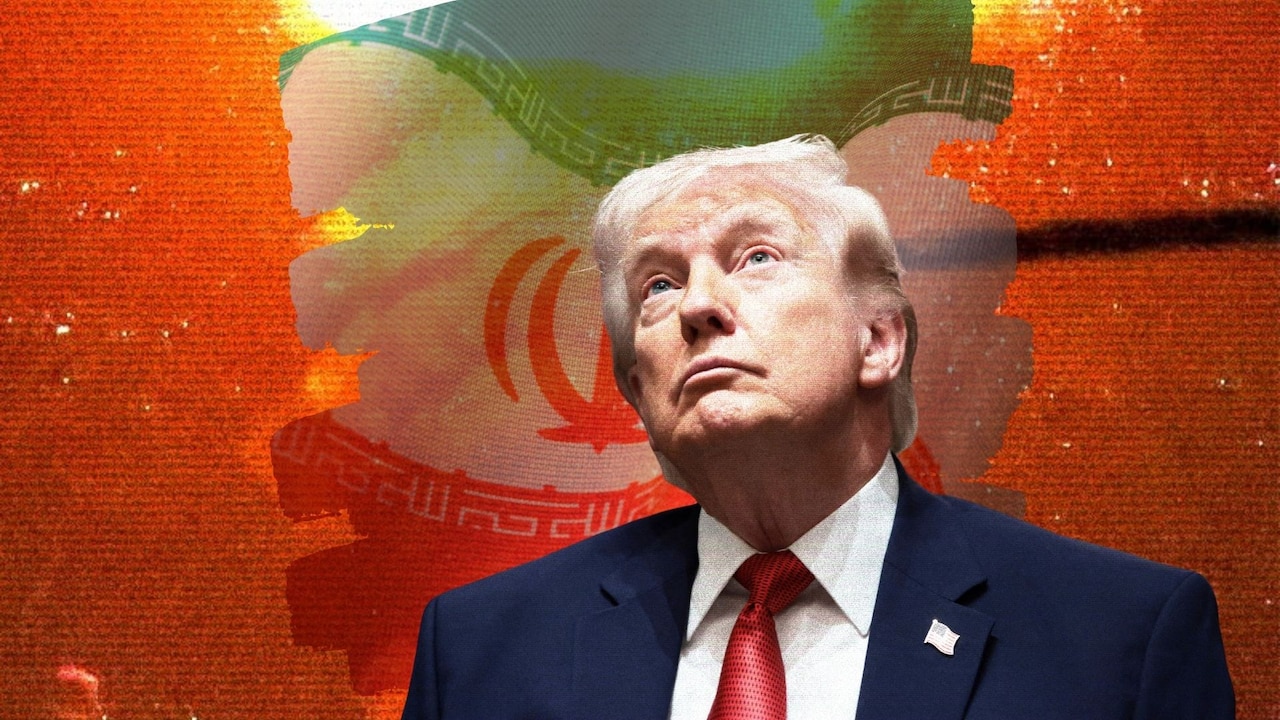
The rules of engagement in the Persian Gulf just changed. When Iran launched ballistic missiles at two U.S. Navy warships patrolling regional waters, Tehran likely expected the usual measured response. Instead, Washington hit back by permanently disabling and destroying three Iranian crude oil carriers.
This isn't a minor skirmish. It marks a direct escalation into an economic war targeting the financial lifeline of the Islamic Revolutionary Guard Corps (IRGC). If you've been watching oil markets or trying to understand why Brent crude just surged past ninety dollars a barrel, this high-stakes maritime conflict is the exact reason.
The Anatomy of the Attack
U.S. Central Command confirmed that an American aircraft carrier and a guided-missile destroyer successfully evaded multiple unprovoked missile attacks launched by the IRGC. No U.S. personnel were injured.
The response was swift and brutal. Admiral Brad Cooper, commander of CENTCOM, laid out the math behind the military's retaliation with blunt clarity.
"If you shoot at two of our ships, we will impose an even higher economic cost—taking out three of yours," Cooper stated.
The U.S. military targeted three specific vessels tied directly to Iran's illicit oil network:
- M/T Downy: Permanently disabled off the coast of Kharg Island.
- M/T Stark 1: Permanently disabled near Jask.
- M/T Kylo (Noxen): Completely destroyed in the Gulf of Oman after its crew was ordered to abandon ship.
These weren't random commercial vessels caught in the crossfire. They belonged to the multi-billion-dollar shadow fleet used to bypass international sanctions and fund regional proxy groups. By attacking these ships, the U.S. is shifting its strategy from mere defense to outright economic strangulation.
Why the Strait of Hormuz is a Global Tipping Point
Roughly one-fifth of the world's oil supply moves through the Strait of Hormuz. When that narrow waterway becomes a combat zone, the entire global economy feels the shockwaves.
Commercial traffic through the strait has plummeted to near all-time lows. Tanker operators are terrified, shipping insurance rates are skyrocketing, and energy traders are scrambling. Iran has repeatedly threatened to close or restrict the passage, using it as leverage against Western sanctions.
Meanwhile, Tehran's state broadcasters have labeled the destruction of their oil carriers as a war crime designed to starve the Iranian economy. But diplomacy has entirely broken down. Six months into a grinding conflict that began with initial U.S. and Israeli strikes, both sides have abandoned restraint.
The Broader Political and Economic Fallout
The human cost of this war extends far beyond naval confrontations in the Gulf. Recent U.S. bombardments along Iran's southern coast have hit civilian infrastructure, leaving families shattered in communities near telecommunications towers and regional towns.
At the same time, the political pressure is mounting at home. While the White House has publicly downplayed the extended duration of the conflict, persistent inflation and climbing fuel prices are creating heavy political liabilities. Voters feel the pain at the pump every single day.
Iran's hard-line leadership is betting that they can endure the economic pain longer than Western leaders can handle high inflation ahead of upcoming elections. Yet, by exposing their limited oil fleet to direct destruction, Tehran is discovering the extreme limits of that strategy.
Expect further friction in the Gulf. As long as the IRGC continues targeting international shipping and American warships, the U.S. military has signaled it will happily keep dismantling Iran's remaining export vessels. Keep a close eye on freight costs, marine insurance rates, and daily crude prices, because this maritime bottleneck isn't clearing up anytime soon.