The Sensationalist Fear Trap
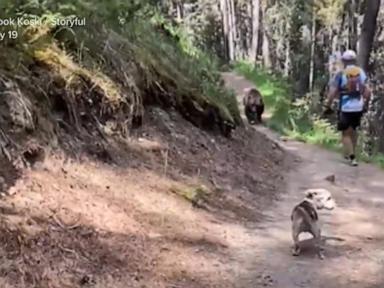
Every few months, another clip hits social media showing a human having a "harrowing, near-fatal encounter" with a massive bear in the Canadian wilderness. The camera shakes. The audio clips with hyperventilating gasps. The headlines scream about bloodcurdling danger, wild beasts, and sheer survival instincts.
It makes for great clickbait. It also fundamentally misrepresents wildlife behavior and makes the public actively dumber about how to navigate North American wilderness safely.
I have spent over a decade guiding photojournalists and researchers through black and grizzly bear territory across Western Canada and Alaska. I have stood thirty yards from twelve-hundred-pound apex predators. I can tell you with total certainty that 95% of these "harrowing survival" videos floating around the internet do not depict a heroic escape from a bloodthirsty monster.
They depict a human cluelessly escalating a routine animal interaction through panic, ignorance, and a desperate desire for social media clout.
Blunder One: Confusing Bluff Charges with Aggression
The media loves to frame every fast movement by a bear as a predatory assault. In reality, predatory encounters with bears are exceedingly rare.
When a bear charges toward a human with its ears pinned forward, huffing, and slapping its paws against the ground, it is rarely trying to eat you. It is executing a bluff charge.
A bluff charge is a defensive display intended to create space. The animal is stressed, surprised, or protecting a resource, and it wants you to go away.
When viral videos capture someone screaming, running, or flailing during a bluff charge, they aren't demonstrating bravery. They are triggering the exact predatory chase instinct that turns a defensive interaction into a lethal one.
What Actual Aggression Looks Like
If a bear is actually hunting a human—a true predatory situation—it does not huff. It does not slap the ground. It does not put on a loud theatrical performance for your smartphone camera.
- Predatory behavior: Silent, focused, stealthy stalking with ears upright and eyes locked on the target.
- Defensive behavior: Loud, dramatic, bluff charges, popping jaws, and physical posturing.
By treating every defensive bluff as a near-death attack, viral news stories train people to react with blind panic instead of calm, deliberate boundary management.
The Fatal Flaw of Running Away
Look at the comment section of any viral wildlife video. Half the viewers are shouting about why the person didn't sprint for their vehicle or start climbing a tree.
Running from a bear is perhaps the single worst decision a human can make in the woods.
| Myth | Reality |
|---|---|
| "If you run fast enough, you can reach safety." | A grizzly bear can run up to 35 miles per hour. That is faster than Usain Bolt. You cannot outrun it. |
| "Climbing a tree will keep you safe." | Black bears are expert tree climbers. Grizzlies can easily pull themselves up branches or knock small trees down. |
| "Making sudden movements scares them away." | Sudden movements mimic prey behavior, triggering an attack response. |
I have seen amateur hikers panic and bolt at the sight of a juvenile black bear 50 yards away. Predictably, the bear chased them—not out of malice, but because prey runs. If you run, you instantly reclassify yourself from an uninteresting, tall object into a target.
How to Handle a Real Close Encounter
If you find yourself facing a bear in the wild, stop acting like the star of an action movie. Put down the phone and execute basic, field-tested protocols.
1. Stand Your Ground and Assess
Do not run. Do not turn your back. Speak in a firm, calm, low voice to identify yourself as human.
2. Ready Your Bear Spray
Bear spray is statistically far more effective at stopping an unwanted encounter than a firearm. Pull the safety clip, hold the canister with both hands, and prepare to deploy a cloud between you and the animal if it advances within 30 feet.
3. Back Away Slowly
If the bear is stationary, slowly increase the distance between you and the animal while keeping eyes on it. Do not make eye contact in a staring contest, which can be perceived as a challenge, but keep your visual field locked on its movements.
Stop treating wildlife like monsters in a horror movie just to score viral views. The wilderness isn't out to get you, but your need for dramatic video footage just might. Stand still, hold your ground, and put the phone away.