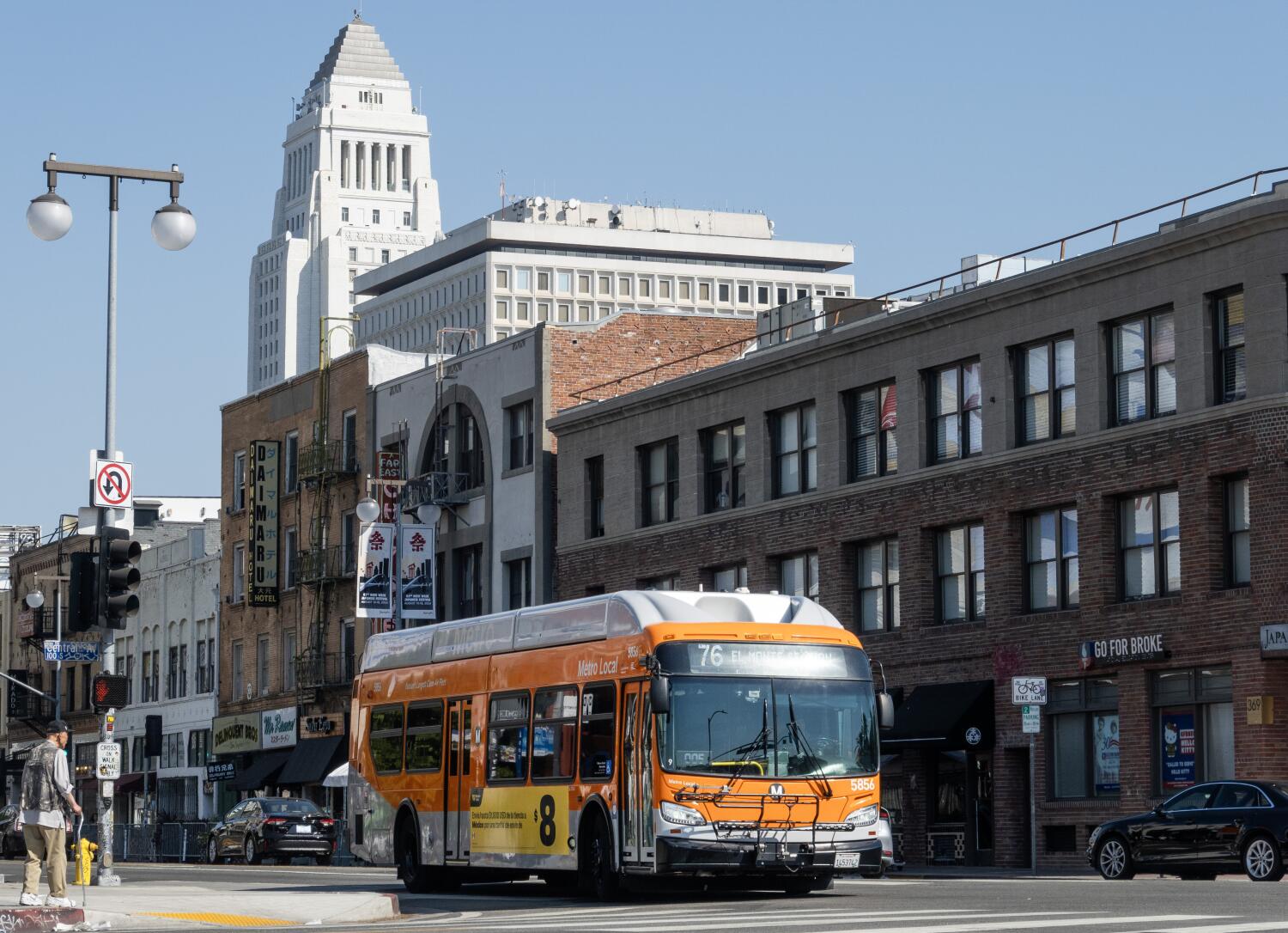
Governments love hidden fees. They slip them into budgets, disguise them as administrative charges, and hope nobody notices until the bills clear. Commuters in Victoria recently found out they were funding a quiet levy every time they tapped on public transport. The state government built a surcharge directly into the fare structure without making any noise about it. Public outrage followed quickly. Now, the Labor administration is scrambling to scrap the Victorian public transport fares levy before the political fallout gets worse.
If you ride trains, trams, or buses in Melbourne, you care about where your money goes. A transport network should keep people moving affordably. When officials tack on stealth taxes, trust vanishes. Let's look at why this levy happened, how the secrecy backfired, and what getting rid of it actually means for your daily commute.
The Anatomy of a Stealth Tax
Secret taxes do not start with a press conference. Bureaucrats draft them behind closed doors. They hide them inside line items that look like standard operational costs.
Public transport funding relies on a delicate balance between taxpayer subsidies and ticket revenue. When budgets tighten, departments look for new streams of income. Instead of raising explicit ticket prices—which draws instant media attention—officials opted for a backroom levy. It added a small percentage to fare costs over several years.
Transport transparency matters. Riders deserve to know the exact breakdown of ticket prices. When a government hides fees, it treats commuters like automated wallets. That strategy creates deep resentment. People feel manipulated.
Transparency isn't optional. It builds civic trust. When that trust breaks, every fare hike feels hostile.
The Political Backlash
Politicians misjudge public fatigue all the time. People are dealing with rising housing costs, grocery inflation, and squeezed wages. Adding a hidden transport tax to that mix is a bad idea.
Opposition lawmakers jumped on the oversight immediately. Media outlets picked up the trail. Critics used the phrase "no transparency" because it hit the nail on the head. The government tried to defend the fee as a minor adjustment, but the defense fell flat. Voters do not care about bureaucratic definitions. They care about fairness.
Faced with mounting pressure and declining approval numbers, the Labor government backed down. Scrapping the levy became the only political escape route.
It proves a simple rule. Sunlight is the best disinfectant. Once a hidden tax goes public, politicians rarely have the stomach to defend it.
What This Means for Your Commute
Scrapping the levy sounds like an immediate win for your wallet. Will ticket prices drop overnight? Probably not. Governments rarely give refunds for past overpayments.
Future fare increases might slow down. The removal of this hidden surcharge takes pressure off the broader ticketing ecosystem. Transport authorities must now find other ways to balance their budgets. They might cut administrative waste or shift funds from other state projects.
For the average commuter, the real win is accountability. The decision sends a clear message to policymakers. You cannot sneak extra charges past a watchful public without getting caught.
Keep an eye on your local transit updates. Watch the line items on your ticketing apps. When riders stay vigilant, governments stay honest.
Check your transit accounts this month. Look at the fare breakdowns. If you spot unusual jumps, speak up. Public infrastructure belongs to the public. You shouldn't have to hire a forensic accountant just to ride the train.